
Choosing the right industrial RO system is a critical decision in any water treatment project. An improperly selected RO system can lead to unstable operation, frequent membrane fouling, high operating costs, and even production downtime.
This guide explains how to choose an RO system from an engineering perspective, focusing on long-term performance, system stability, and suitability for industrial applications.
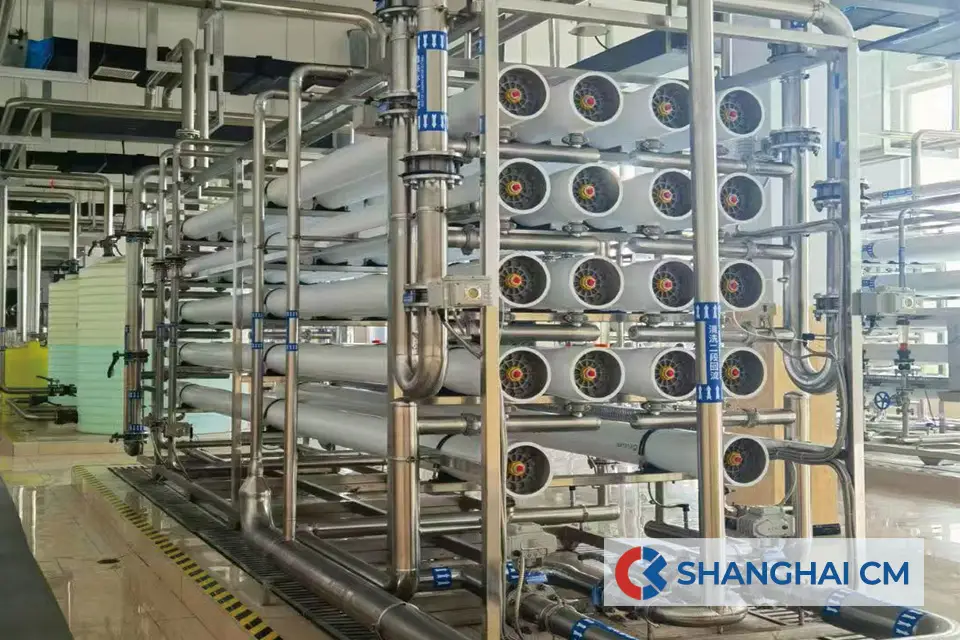
Why RO System Selection Is Critical in Industrial Projects
In industrial water treatment, an RO system is not a standard product—it is a custom-engineered solution.
Common problems caused by incorrect RO system selection include:
- Insufficient product water quality
- Excessive membrane fouling and scaling
- High energy consumption
- Frequent CIP cleaning
- Short membrane service life
For industrial projects, correct RO system selection is far more important than initial equipment price.
Step 1: Understand Your Feed Water Quality
The first step in RO system selection is a complete analysis of feed water quality.
Key parameters include:
- TDS (Total Dissolved Solids)
- SDI (Silt Density Index)
- Turbidity
- Iron, manganese, oil, and organic content
- Biological contamination
Different feed water sources—such as groundwater, surface water, seawater, or wastewater—require completely different RO system designs and pretreatment processes.
Accurate feed water data is the foundation of reliable RO system design.
Step 2: Define the Required Product Water Quality
The next step is to clearly define how the treated water will be used.
Typical requirements include:
- Conductivity or TDS limits
- Silica concentration
- Microbiological standards
- Continuous vs intermittent use
Based on these requirements:
- A single pass RO system may be sufficient for general industrial process water
- A double pass RO system is recommended for high-purity applications such as boiler feed water, electronics, and pharmaceutical industries
Over-design increases cost, while under-design risks operational failure.
Step 3: Determine System Capacity and Recovery Rate
RO system capacity and recovery rate directly affect both capital cost and operating cost.
Key considerations:
- Required permeate flow rate (m³/h or m³/day)
- Desired system recovery rate
- Scaling and fouling risk at higher recoveries
- Seasonal variation in feed water quality
Typical industrial RO systems operate at 60–75% recovery, depending on feed water composition and pretreatment quality.
Pursuing maximum recovery without proper design often leads to unstable operation.
Step 4: Choose the Appropriate RO System Configuration
Selecting the correct RO system configuration is essential for stable long-term operation.
Common configurations include:
- UF + RO system for surface water or variable-quality feed water
- MBR + RO system for wastewater reuse projects
- Single pass RO for general industrial use
- Double pass RO for high-purity water requirements
For wastewater reuse or high-fouling feed water, customized RO systems are strongly recommended instead of standard skid units.
Step 5: Evaluate Long-Term Operation and Maintenance Requirements
Industrial RO system selection should always consider lifecycle performance, not just installation cost.
Important factors include:
- CIP cleaning frequency
- Membrane replacement cycle
- Automation and monitoring level
- Availability of spare parts
- Ease of operation and maintenance
A stable RO system with slightly higher initial investment often results in lower total cost of ownership.
Common Mistakes in RO System Selection
Avoiding common mistakes can significantly improve RO system performance:
- Selecting RO systems based on price alone
- Ignoring feed water variability
- Designing excessively high recovery rates
- Underestimating pretreatment importance
- Using standard RO designs for complex wastewater projects
These mistakes are a major cause of premature membrane failure and operational instability.
When Should You Choose a Customized RO System?
A customized industrial RO system is recommended when:
- Feed water quality is complex or variable
- Wastewater reuse is involved
- High recovery rates are required
- Continuous operation is critical
Customized systems allow optimization of pretreatment, membrane selection, pressure staging, and cleaning strategies.
How This Article Fits Into RO System Design Strategy
This RO system selection guide is part of a broader industrial RO system knowledge framework, which includes:
- RO system types and applications
- RO system design parameters
- RO system operation and maintenance
For a complete technical overview, refer to the Industrial RO System – Types, Design, Applications & Selection Guide.
Frequently Asked Questions About RO System Selection
How do I choose the right RO system for my application?
RO system selection should be based on feed water quality, required product water quality, system capacity, and long-term operational stability.
Is a single pass or double pass RO system better?
It depends on product water quality requirements. Double pass systems provide higher purity but higher cost.
Can RO systems be used for wastewater reuse projects?
Yes. RO systems are widely used in wastewater reuse when combined with UF or MBR pretreatment.
What recovery rate should I choose for an industrial RO system?
Typical recovery rates range from 60–75%, depending on feed water quality and scaling risk.
Conclusion
Choosing the right industrial RO system requires engineering evaluation rather than simple product comparison. Feed water quality, required water quality, system configuration, and long-term operational stability are the key factors that determine RO system performance and lifecycle cost.
For industrial and wastewater reuse projects, professional RO system design and customization are essential for reliable operation.
If you are planning an industrial RO project, providing feed water analysis and application details allows a professional RO system to be designed for stable long-term operation. A technical evaluation at the early project stage can significantly reduce operating risk and lifecycle cost.