
When using reverse osmosis equipment, we often encounter a common problem: when should we replace the RO membranes, or how do we determine when RO membranes need replacement? These questions frequently trouble us, so let's unveil the judgment standards for RO membrane replacement.
Remember these four indicators:
1. Water Production Volume
After thorough cleaning, the water production volume is still 20% or more lower than the initial/post-previous cleaning level.
2. Water Quality Deterioration
Product water TDS increases by 50% or more, or specific contaminants exceed standards, and cleaning is ineffective.
3. Trans-membrane Pressure Differential
Trans-membrane pressure differential is 0.1 MPa or more higher than initial levels, with no improvement after cleaning.
4. Service Life Consideration
After 3-5 years of regular use, replacement is recommended even if other indicators seem normal, to avoid sudden system failures.
Following these four key indicators will help ensure optimal RO system performance and prevent unexpected membrane failures.
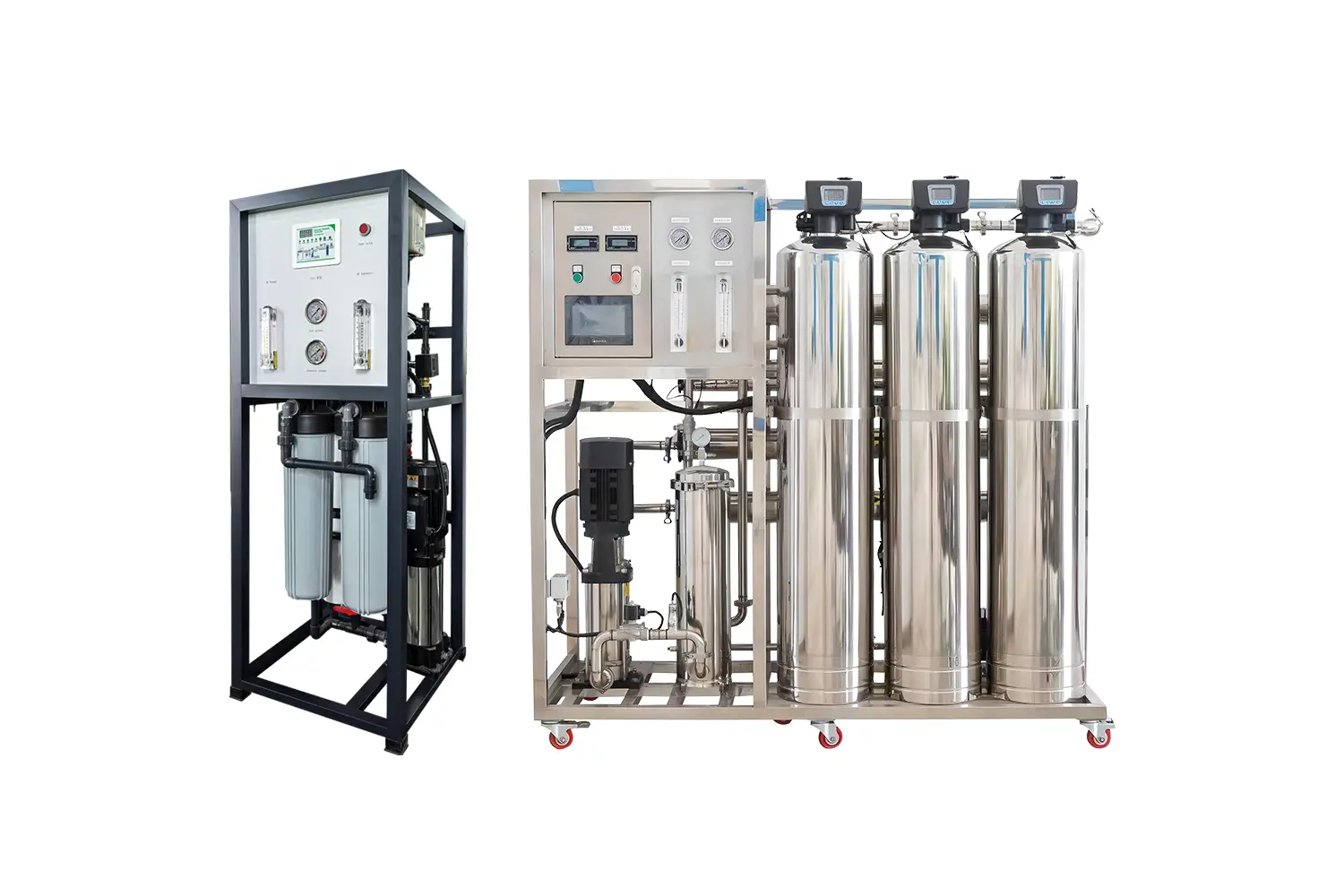
Comprehensive RO Membrane Replacement Indicators: Performance Degradation to End-of-Life Scenarios
These four replacement indicators comprehensively and precisely cover the core scenarios from reverse osmosis membrane performance degradation to end-of-life. These four indicators essentially correspond to the membrane's water production efficiency, effluent quality, operating resistance, and safe service life. Below is an expanded explanation of the reasons behind each indicator.
1. Water Production Decline of 20% with Ineffective Cleaning: Membrane Pore Blockage or Structural Damage
Water production decline is the most intuitive manifestation of membrane performance degradation. When cleaning fails to improve the situation, it indicates the problem has exceeded the reversible range.
- Irreversible Blockage: Impurities such as colloids, organic matter, and microorganisms in water gradually form a dense "contamination layer" on the membrane surface. Conventional cleaning can only remove surface fouling; deep-seated impurities embedded in membrane pores or chemically reacting with membrane materials cannot be removed, leading to permanent reduction in membrane pore flow area.
- Membrane Structural Damage: Long-term high-pressure operation or improper cleaning (such as using highly corrosive chemicals) can destroy the membrane's polymer structure, fundamentally reducing the membrane's water permeability. This type of damage cannot be restored through cleaning.
2. Increased Effluent TDS/Contaminant Exceedance with Ineffective Cleaning: Compromised Membrane Integrity
Rising TDS (Total Dissolved Solids) or specific contaminant exceedance indicates that the membrane's "filtration barrier" function has failed, unable to prevent impurities from entering the product water side.
- Membrane Pore Enlargement or Pinhole Formation: After prolonged use, the membrane's polymer chains undergo aging and relaxation, causing micropores that originally retained impurities to enlarge; or improper operation (such as instantaneous high-pressure impact) creates tiny pinholes, allowing salts and contaminants to directly penetrate the membrane layer.
- Membrane Element Seal Failure: Aging, deformation, or damage to sealing rings between membrane elements can cause unfiltered raw water to "short-circuit" through seal gaps into the product water, resulting in sudden TDS increases. This issue is unrelated to the membrane itself but manifests as substandard system effluent, requiring inspection and replacement of sealing components or entire membrane elements.
3. Transmembrane Pressure Increase of 0.1 MPa with Ineffective Cleaning: Severe Membrane Fouling or Scaling
Transmembrane pressure differential is the pressure difference between the feed and permeate sides. Increased pressure differential indicates greater resistance for water flow through the membrane, resulting in higher operating energy consumption.
- Heavy Scaling or Fouling: When calcium and magnesium ions in water form scale, or when organic matter and microorganisms accumulate extensively, they create a high-resistance "barrier layer" on the membrane surface. Even after cleaning, some hard scale (such as calcium carbonate) or tightly adhered biofilms cannot be completely removed, leading to persistently high pressure differential.
- Membrane Element Compression Deformation: Long-term ultra-high pressure operation can cause compression deformation of the membrane element's support structure, narrowing water flow channels and further increasing flow resistance, creating a vicious cycle that ultimately prevents pressure differential reduction through cleaning.
4. Routine Replacement After 3-5 Years of Normal Use: Material Aging and Risk Prevention
3-5 years represents the industry-standard design life for reverse osmosis membranes. Extended use beyond this period doesn't absolutely prevent water production, but replacement is necessary from safety and economic perspectives.
- Natural Material Aging: The membrane's polymer materials undergo oxidation and degradation over time, causing gradual deterioration in filtration performance. Even if various indicators temporarily meet standards, "performance drift" occurs, significantly reducing product water stability.
- Preventing Sudden Failures: Overaged membrane elements have structural strength and sealing performance approaching their limits, potentially experiencing membrane rupture, seal failure, or other issues without warning. This can render product water completely unusable and affect downstream processes (such as contaminating downstream tanks), causing greater losses.
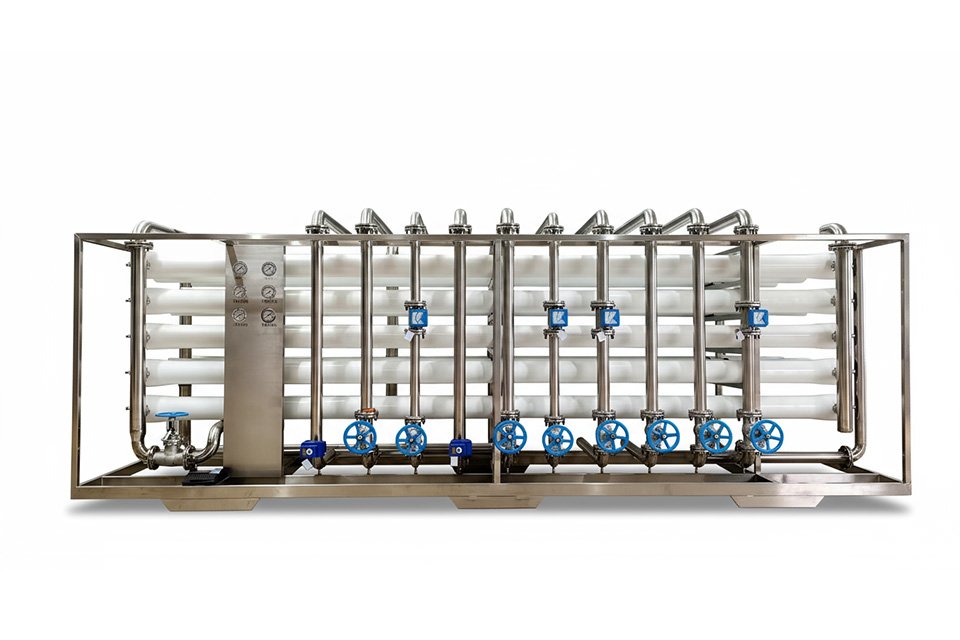
Membrane Element Inspection Checklist
| Inspection Category | Inspection Item | Judgment Criteria (Meeting any one requires focused attention) | Initial Baseline Value (Record) | Current Test Value (Record) | Difference Calculation (Record) | Replacement Recommendation |
|---|---|---|---|---|---|---|
| Water Production Performance | Water production after thorough cleaning | ≥20% decrease compared to initial/last cleaning water production | ☐ m³/h | ☐ m³/h | ☐ % (decrease percentage) | If difference ≥20% and cleaning ineffective, recommend replacement |
| Water Quality Performance | Water production TDS value | ≥50% increase compared to initial/last cleaning water production TDS | ☐ mg/L | ☐ mg/L | ☐ % (increase percentage) | If difference ≥50% and cleaning ineffective, recommend replacement |
| Specific pollutant content (e.g., heavy metals, organics) | Test value exceeds industry/process allowable standards (specific standards required, e.g., heavy metals ≤0.01mg/L) | ☐ (corresponding unit) | ☐ (corresponding unit) | ☐ (exceeds standard or not) | If exceeds standard and cleaning ineffective, recommend replacement | |
| Operating Resistance Performance | Trans-membrane pressure (TMP) | ≥0.1MPa increase compared to initial trans-membrane pressure | ☐ MPa | ☐ MPa | ☐ MPa (increase value) | If difference ≥0.1MPa and cleaning ineffective, recommend replacement |
| Service Life | Regular usage duration | Continuous regular operation time reaches 3-5 years (calculated from membrane element installation date) | Installation date: ☐Year ☐Month | Current date: ☐Year ☐Month | Used: ☐Year ☐Month | Recommend evaluation at 3 years, recommend replacement at 5 years |
| Supplementary Inspection Items | Membrane element appearance | 1. Obvious damage, wrinkles, deformation on membrane surface; 2. Seal ring aging, cracking, falling off | —— | —— | —— | Recommend replacement if any condition occurs |
| Water production stability | Water production/TDS fluctuation range ≥15% in recent 3 tests (without obvious operational changes) | —— | Fluctuation record: ☐ | —— | When stability is poor, recommend early replacement |
Notes and Instructions:
Data Recording Requirements:
- Initial baseline values should be recorded within 1 week of stable operation after new membrane element installation or last replacement
- Testing conditions should ensure inlet pressure, temperature, flow rate and other operating conditions are consistent with baseline measurement conditions (deviation ≤5%) to avoid impact of operational fluctuations on judgment
Cleaning Effectiveness Judgment:
- Must use regular cleaning procedures that comply with membrane manufacturer requirements (e.g., chemical cleaning + physical flushing)
- If still not meeting standards after 2 consecutive cleanings, consider as "cleaning ineffective"
Special Scenario Supplements:
- If raw water quality suddenly deteriorates (e.g., sudden increase in pollutant concentration), even if above indicators are not met, testing cycle should be shortened and early evaluation for replacement should be considered when necessary