
Production halts when water quality fails, but replacing filtration units too early wastes your budget. You need to know the exact moment to swap them out to keep your factory running smoothly without overspending.
Generally, you should replace industrial RO membranes every two to three years. However, if you notice a 10 to 15 percent drop in permeate flow or a significant increase in salt passage even after cleaning the system, you must replace them immediately to prevent permanent system damage.
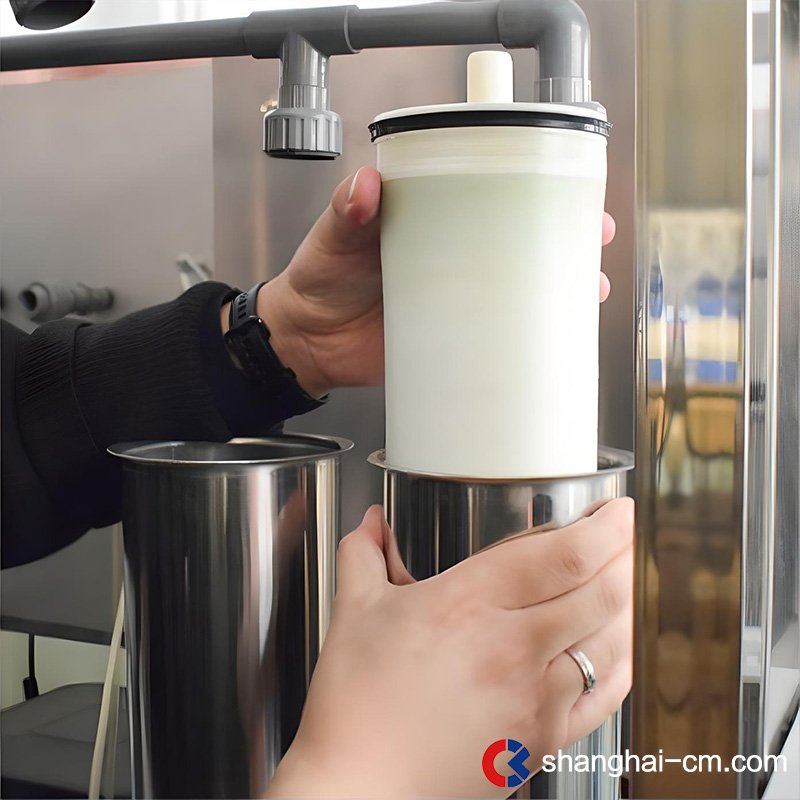
I have seen many factory owners struggle with this decision. They either wait until the system fails completely, which halts the cooling lines, or they change filters blindly based on a calendar date. Let's look at the specific signs that tell you it is time to act.
What are the clear signs that my membrane is failing?
Ignoring your pressure gauges leads to costly shutdowns. You cannot afford to guess when your water quality is dropping below acceptable standards for your mold cooling or manufacturing process.
You should look for three main signs: a 15 percent increase in feed pressure, a 15 percent decrease in product water flow, or a rise in water conductivity. If salt passes through the filter, the membrane layer is damaged.
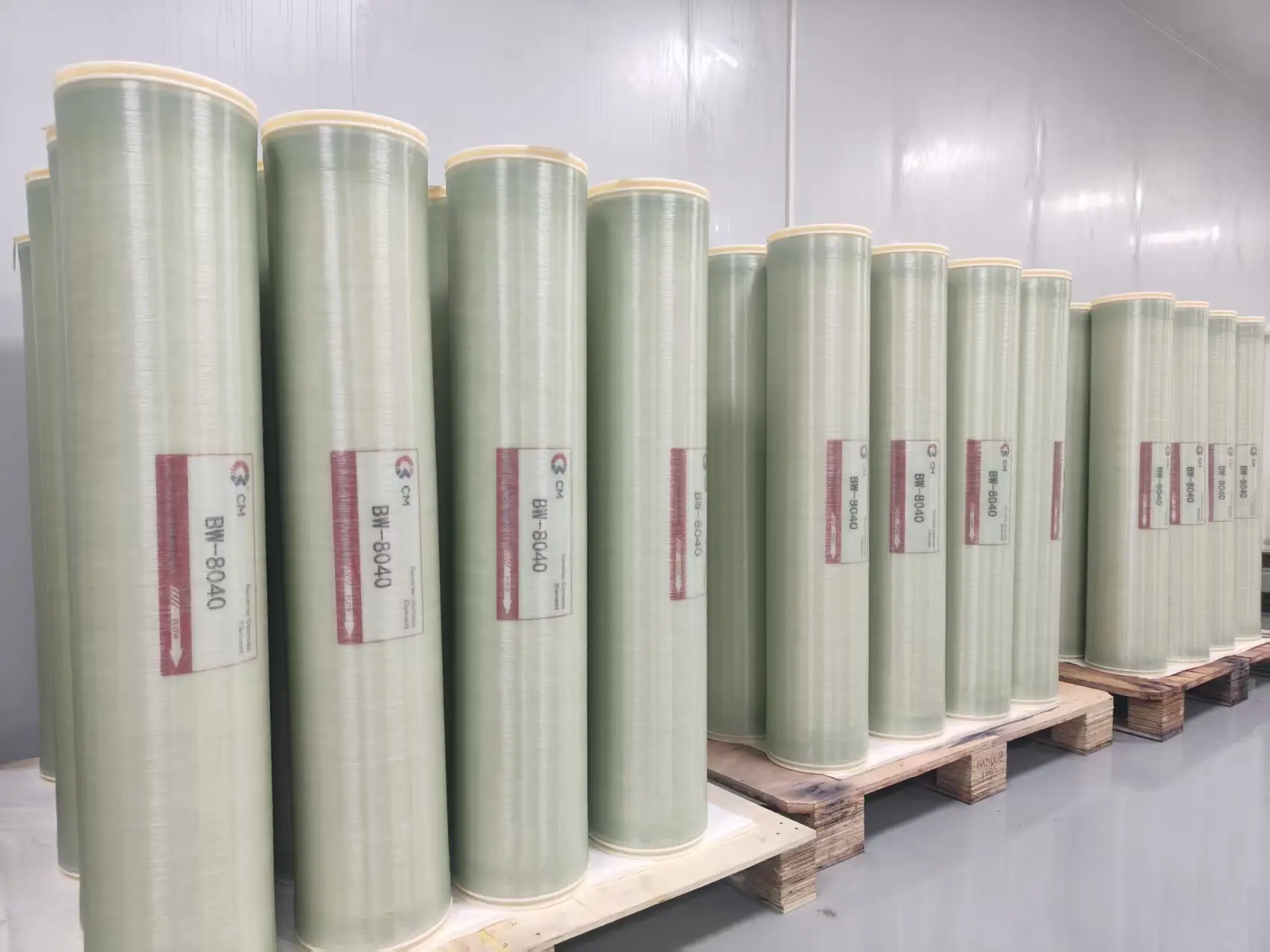
Analyzing the Data
To really understand when your membrane is dead, you have to look deeper than just the daily numbers. I always tell my clients that "normalized data" is the key. Raw data can trick you because water temperature affects flow rate. Warm water flows faster. If you do not account for temperature, you might think a fouled membrane is working fine just because it is a hot day.
When we break down the signs of failure, we need to look at specific metrics. I use critical thinking here to separate simple clogging from actual damage.
The Three Pillars of Failure
- Normalized Permeate Flow: This is the amount of clean water coming out. If this drops by 10% to 15%, your membrane has fouling. If cleaning does not fix it, the membrane is compacted and needs replacing.
- Normalized Differential Pressure: This is the pressure drop from the feed end to the concentrate end. A big jump here means dirt or scale is blocking the path.
- Salt Passage: This is the most critical one for us in the mold industry. If the conductivity goes up, the actual plastic layer of the membrane has holes or damage from chemicals. You cannot wash this away. You must replace it.
Here is a simple table to help you judge the situation:
| Symptom | Probable Cause | Action Required |
|---|---|---|
| High Pressure Drop | Dirt or Scale buildup | Try Cleaning (CIP) first |
| Low Flow Rate | Fouling or Compaction | Try Cleaning; Replace if it fails |
| High Conductivity | Oxidative damage (Chlorine) | Replace Immediately |
| Telescoping | Physical damage | Replace Immediately |
I remember a time when I tried to save a membrane that had high salt passage by cleaning it three times. It was a waste of chemicals and time. Once the barrier is broken, no amount of soap will fix it. You have to monitor these trends over weeks, not just days.
How does the quality of feed water impact lifespan?
Bad water kills membranes fast. If you do not treat the water properly before it enters the high-pressure system, you are essentially throwing your money away.
Hard water causes scaling that blocks flow, while chlorine destroys the membrane material chemically. Proper pre-treatment with carbon filters and softeners is the only way to get the full three-year life out of your RO system.
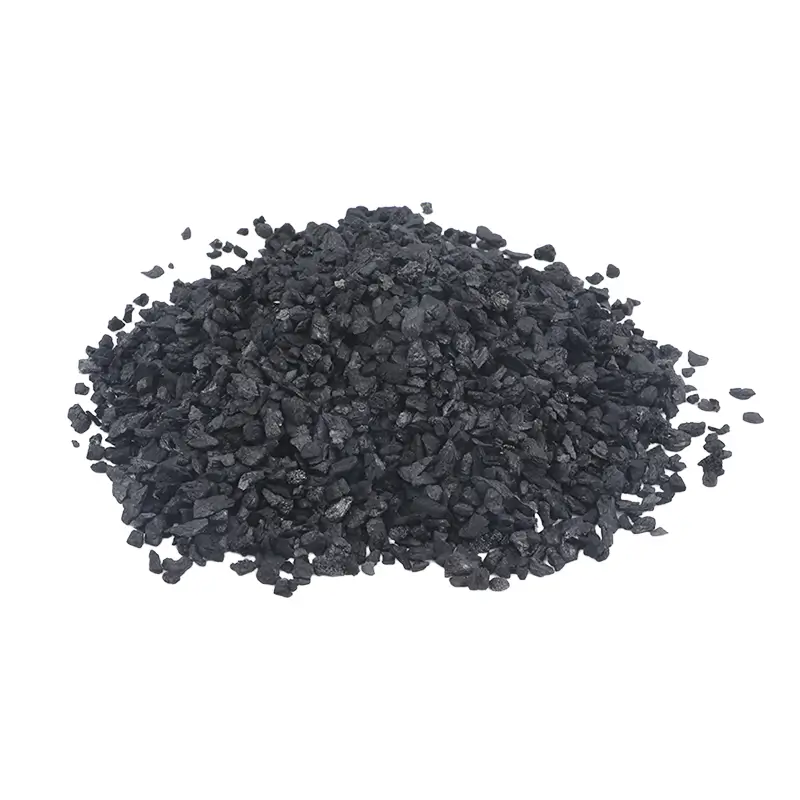
The Silent Killers in Your Water
In my experience running a factory, the pre-treatment section is actually more important than the RO unit itself. The RO membrane is delicate. It is like a fine skin. If you hit it with sharp rocks (scale) or acid (chlorine), it dies.
We need to analyze what exactly is in the "feed water." In many industrial zones, the water is very hard. This means it has a lot of Calcium and Magnesium. When the RO machine separates pure water, these minerals get concentrated. They turn into solid stones, or "scale," right on the membrane surface.
Critical Pre-treatment Steps
To ensure your membrane lasts for years, you must address these factors:
- Chlorine Attack: Most city water has chlorine. Thin-film composite membranes cannot handle chlorine. It "burns" holes in them. You must use an Activated Carbon filter or inject a reducing agent like Sodium Bisulfite. If you skip this, your membrane might last only a few weeks.
- Silt Density Index (SDI): This measures suspended solids. If the SDI is higher than 5, your membrane will plug up physically. You need good cartridge filters (usually 5-micron) before the RO.
- Scaling Potential: We use softeners or antiscalant chemicals. These stop the minerals from sticking together.
Here is how different contaminants affect your replacement schedule:
| Contaminant | Effect on Membrane | Resulting Lifespan |
|---|---|---|
| Chlorine | Oxidation (Holes) | < 1 Year (Very Short) |
| Silica | Hard Scale (Glass-like) | 1 - 1.5 Years |
| Organics | Biofouling (Slime) | 1 - 2 Years (needs cleaning) |
| Iron | Metal Fouling | 1 - 2 Years |
I once visited a client who disconnected his carbon filter to save money on maintenance. His RO membranes, which cost thousands of dollars, were destroyed by chlorine in two months. It was a painful lesson in false economy.
Can regular cleaning really extend the membrane life?
A dirty membrane is not necessarily a dead membrane. Many people replace units that just need a good wash, wasting thousands of dollars in the process.
Yes, Clean-In-Place (CIP) systems can double your membrane life. You should clean when flow drops by 10 percent. However, cleaning too often or using the wrong chemicals can physically damage the delicate membrane layers.
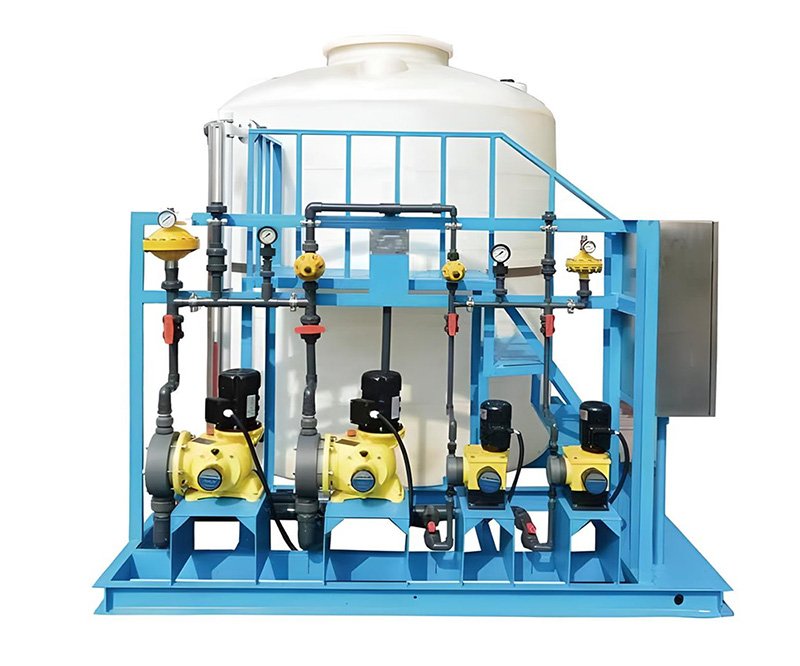
The Art of Cleaning (CIP)
Cleaning an RO membrane is not like washing a car. It is chemistry. You have to know what kind of dirt you have. If you use the wrong chemical, you might set the dirt into the membrane permanently. This makes the replacement time come much sooner.
We usually have two types of cleaning cycles: High pH and Low pH.
High pH vs. Low pH Cleaning
- Low pH Cleaning (Acid): We use this to remove inorganic scale. If you have calcium carbonate or iron deposits, you need acid. It dissolves the minerals.
- High pH Cleaning (Alkaline): We use this to remove organics. This includes bacteria, slime, and oil.
The order matters. I always advise cleaning with high pH first if you suspect biofouling. If you use acid on biological slime, it can harden the slime and make it impossible to remove.
When Cleaning is Too Late
You need to clean early. If you wait until the flow has dropped by 30% or 40%, the water channels are already fully blocked. At that point, the cleaning chemicals cannot penetrate deep enough to dissolve the clog.
Standard Cleaning Protocol:
- Mix the Solution: Use permeate water, not raw tap water.
- Low Flow Pumping: Pump the cleaner in slowly to displace the water.
- Soak: Let the membranes sit in the solution. This is where the chemistry happens.
- High Flow Pumping: Push the loosened dirt out.
- Flush: Rinse everything thoroughly.
If you clean properly, you can restore a membrane to nearly 90% of its original performance. If you do not clean, you will be buying new membranes every year.
Why does RO water quality matter for mold cooling systems?
Scale buildup inside cooling channels destroys cycle times. You might blame the mold design, but the real culprit is often the water running through it.
RO water is free of minerals that cause scale. Using pure water keeps mold channels open, ensures consistent heat transfer, and prevents the corrosion that leads to expensive mold repairs and production downtime.
The Connection to Mold Design
As a mold designer, or someone like Jacky who works with complex parts, you know that cooling is everything. Cooling time is often 50% or more of the total cycle time.
When we design a mold, we calculate the cooling based on a certain diameter of the water channel. If that channel gets smaller because of scale (calcium deposits), the water flows slower. The heat cannot escape. The plastic part warps, or the cycle time gets longer. This costs the factory money every single shot.
RO Water vs. Tap Water in Cooling
Using RO water acts as insurance for your mold. Tap water contains minerals. When water heats up in the mold, these minerals precipitate out. They stick to the steel.
I have opened molds where the cooling lines were completely blocked with white stone. We had to drill it out. It was a nightmare. The heat transfer in those areas was zero. The parts coming out of that mold were defective because they cooled unevenly.
Here is why maintaining your RO system directly helps your molding business:
- Consistent Cycle Times: Clean water means heat transfer stays the same from Day 1 to Day 1000.
- Reduced Maintenance: You do not have to acid flush your molds as often.
- Corrosion Control: While pure RO water can be aggressive, we can condition it slightly to be non-scaling but also non-corrosive. This protects the expensive steel of the mold base.
- EDM Machines: If you have a tool room, your Wire EDM machines absolutely need deionized or RO water. If the conductivity is high, the cutting speed drops and precision is lost.
| Feature | Tap Water Cooling | RO Water Cooling |
|---|---|---|
| Scale Formation | High | None |
| Heat Transfer | Decreases over time | Constant |
| Mold Maintenance | Frequent Descaling | Minimal |
| Cycle Time | Increases (Bad) | Stable (Good) |
By keeping your RO membranes fresh and working, you are actually protecting the most valuable asset in your factory: your molds. It is all connected.
Conclusion
To summarize, replace membranes every 2-3 years, or sooner if flow drops 15% or salt passage increases. Proper pre-treatment and regular cleaning are vital to protect your molds and production efficiency.
FAQ
1. What is the standard lifespan of industrial reverse osmosis membranes?
Industrial RO membranes typically last 2-3 years, depending on:
- Feed water quality (suspended solids, organics, hardness)
- Operating intensity (24/7 vs. intermittent)
- Maintenance quality (regular cleaning, proper procedures)
Value: Professional maintenance plans can extend life beyond 5 years, saving 30-40% on replacement costs.
2. What signs indicate that RO membranes need replacement?
Monitor these four key indicators:
- Salt rejection drops 10-15% from baseline
- Water production decreases 20-30%
- Operating pressure rises continuously
- Cleaning frequency increases (quarterly → monthly)
Tip: Implement performance monitoring to detect issues early and avoid unexpected downtime.
3. Can chemical cleaning extend membrane lifespan?
Yes! Proper chemical cleaning is highly cost-effective.
Cleaning frequency:
- Light fouling: Every 3-6 months
- Moderate fouling: Every 1-3 months
- Heavy fouling: Monthly or more
Clean when:
- Permeate flow decreases 10-15%
- Salt passage increases 10-15%
- Pressure differential increases 10-15%
Result: Scientific cleaning protocols extend membrane life by 18-24 months on average.
4. What does membrane replacement cost?
Replacement typically accounts for 15-25% of total operating costs.
Cost control strategies:
- Preventive maintenance - Extend life from 3 to 5 years (40% annual savings)
- Staged replacement - Avoid large one-time expenses
- Optimize pretreatment - Increase life by 50%+
- Quality membranes - Lower total cost of ownership (TCO)
5. Do replacement cycles differ across industries?
Yes, significantly:
| Industry | Cycle | Key Challenge |
|---|---|---|
| Electronics/Semiconductor | 3-4 years | Ultra-pure requirements |
| Pharmaceutical | 4-5 years | Strict standards, good pretreatment |
| Food & Beverage | 2-4 years | High organics, biofouling |
| Chemical | 2-3 years | Specialized contaminants |
| Power Generation | 4-6 years | High volume, stable quality |
| Petroleum Refining | 2-3 years | Temperature, salinity, oil |
6. What are the risks of delaying replacement?
Five critical risks:
- Product water quality failure - May violate process requirements
- Energy costs spike - 20-40% increase
- Cascade failures - Membrane fragments clog system
- Unexpected downtime - Emergency procurement costs
- Compliance violations - Environmental penalties
Best practice: Replace when performance drops to 70-75% of initial values.
7. Should I clean or replace the membrane?
Decision process:
✅ Clean if:
- Performance recovers to ≥85% after cleaning
- Membrane age < 2 years
- Reversible fouling (calcium carbonate, organics)
❌ Replace if:
- Post-cleaning performance ≤70%
- Membrane age > 4 years
- Mechanical damage present
- Cleaning frequency 2+ times monthly
8. Replace all membranes together or in stages?
Staged replacement is often better:
Advantages:
- Distributes financial burden
- Reduces downtime
- Optimizes performance
Recommended sequence:
- 1st stage - Highest fouling, replace first (2-3 years)
- 2nd stage - Moderate fouling (3-4 years)
- 3rd stage - Lightest fouling, replace last (4-5 years)
Complete replacement when:
- System > 5 years old
- Severe contamination incident
- Upgrading membrane technology
9. How does daily maintenance extend lifespan?
5 core priorities:
-
Control feed water quality
- SDI < 3, Turbidity < 1 NTU, Free chlorine < 0.1 ppm
-
Maintain optimal parameters
- Recovery rate within ±5% of design
- Element pressure drop < 15 psi
-
Prevent biological fouling
- Protective flushing for 3+ day shutdowns
- Regular biocide dosing
-
Proper startup/shutdown
- Low-pressure flush before/after operation
- Avoid frequent cycling (max 3× daily)
-
Keep operational logs
- Track daily performance metrics
- Plot trends to detect issues early
Result: Scientific protocols increase lifespan by 30-50%.