
Seawater Desalination System
Reliable Seawater Reverse Osmosis Solutions for Industrial and Municipal Water Supply
Freshwater scarcity is a growing challenge in many coastal regions around the world. Our SWRO desalination systems deliver stable freshwater production with high energy efficiency for island communities, coastal industries, offshore platforms, and tourism resorts.
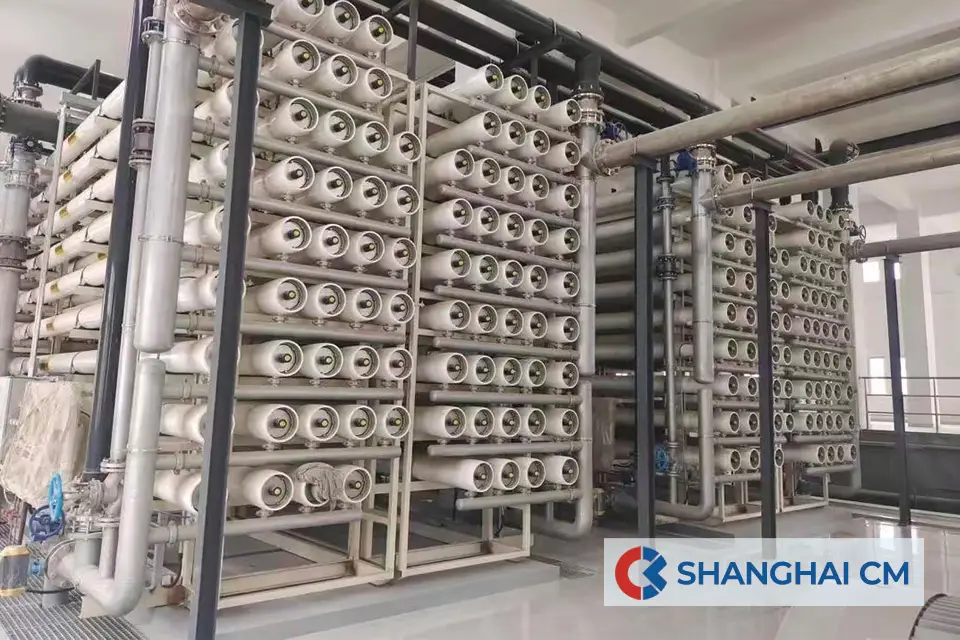
Challenges of Seawater Desalination Projects
Seawater desalination projects require advanced engineering design due to the complexity of seawater treatment.
High Salinity Feed Water
Seawater typically contains 30,000-45,000 ppm of dissolved salts, which requires high-pressure reverse osmosis systems and specialized membranes to achieve effective desalination.
Energy Consumption
Desalination systems operate at high pressure, making energy efficiency one of the most critical factors in system design. Proper energy recovery systems can significantly reduce operational costs.
Membrane Fouling and Scaling
Seawater contains suspended solids, microorganisms, organic matter, and scaling minerals. Without proper pretreatment, these contaminants can reduce membrane performance and increase maintenance costs.
Marine Environmental Corrosion
The high salt content and humidity of marine environments can cause severe corrosion of equipment. Materials and system design must be carefully selected to ensure long-term reliability.
Continuous Operation Requirements
Many desalination projects must operate 24/7 in remote areas, such as islands or offshore facilities. System reliability and automation are therefore essential.
Choose the Right Seawater
Desalination Capacity
Seawater desalination systems can be designed for a wide range of freshwater production capacities. Selecting the appropriate system capacity depends on your daily water demand and project application.
Below are typical system capacities for different applications.
| Freshwater Capacity | Typical Applications |
|---|---|
| 1-10 m³/day | Small islands, boats, remote facilities |
| 10-100 m³/day | Resorts, hotels, small communities |
| 100-500 m³/day | Industrial plants, coastal facilities |
| 500-2000 m³/day | Municipal water supply |
| 2000+ m³/day | Large desalination plants |
Our engineering team will help you determine the optimal capacity for your specific requirements.
Our Seawater Desalination Solutions
We provide a full range of seawater desalination systems designed for different project scales and application scenarios.
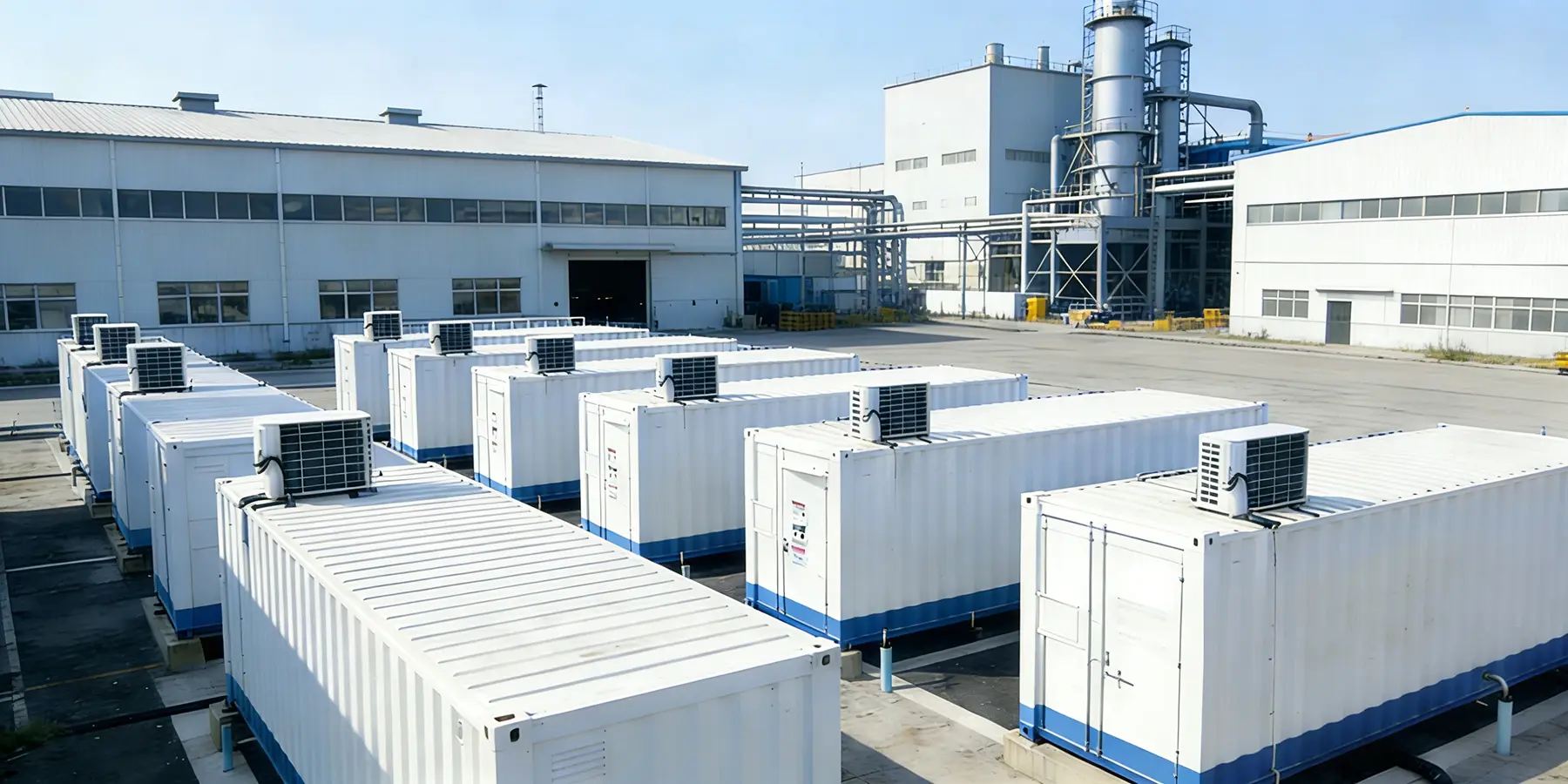
Containerized Seawater Desalination System
Containerized desalination systems are designed for rapid deployment and easy transportation. Perfect for island water supply, military bases, emergency water supply, and remote coastal areas.
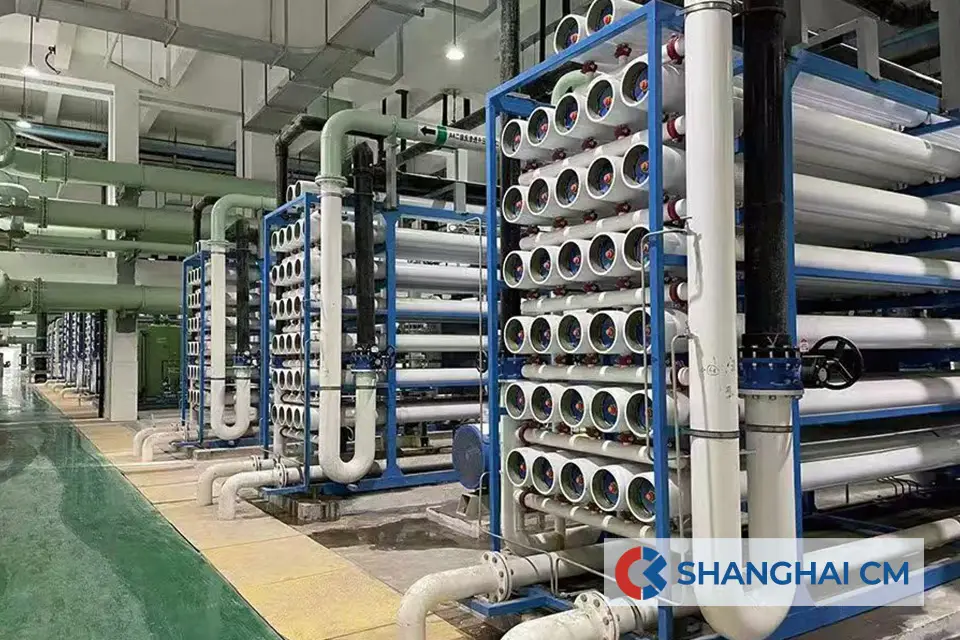
Industrial Seawater Desalination Plant
Industrial desalination plants are designed for large-scale water production for municipal and industrial use. Ideal for coastal city water supply, industrial parks, power plants, and petrochemical facilities.
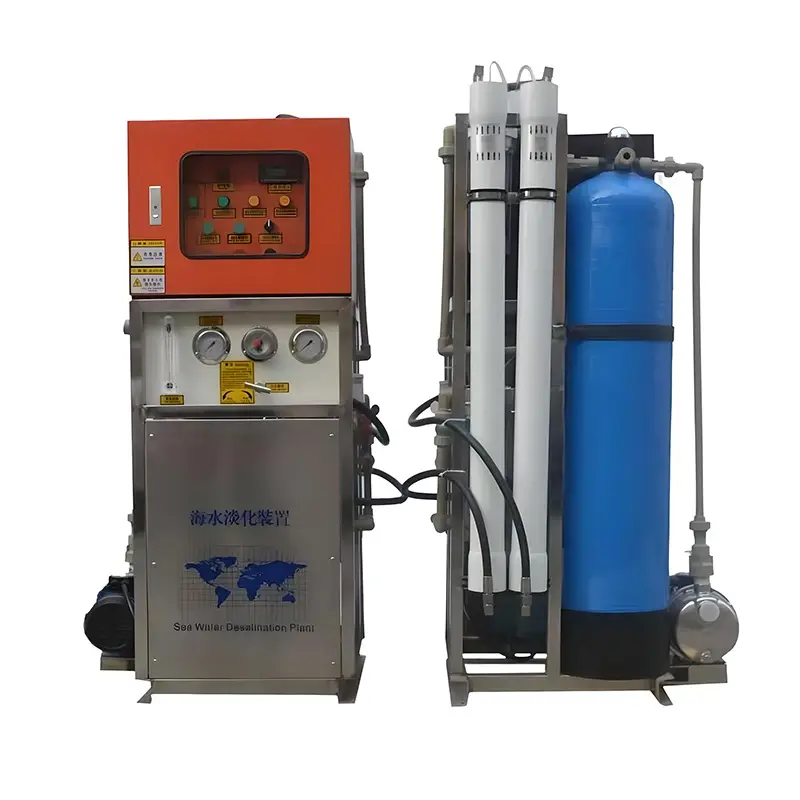
Offshore Desalination Systems
Offshore desalination systems are specifically designed for marine environments. Suitable for offshore oil and gas platforms, marine engineering vessels, and offshore wind farms.
Seawater Reverse Osmosis Desalination Process
Modern desalination plants typically use seawater reverse osmosis (SWRO) technology to remove salts and produce freshwater.
Seawater Intake
Seawater is drawn from the ocean through an intake system designed to minimize marine debris and suspended solids.
Pretreatment System
Critical to protect RO membranes. Includes multimedia filtration, ultrafiltration (UF), and chemical dosing to remove suspended solids and biological contaminants.
High Pressure Pump
A high-pressure pump increases the pressure of the feed water to overcome the osmotic pressure of seawater.
SWRO Membrane Separation
Seawater passes through reverse osmosis membranes that remove salts and dissolved solids. Compatible with DuPont, Toray, and Hydranautics membranes.
Energy Recovery System
Energy recovery devices recover pressure energy from the concentrate stream and reduce overall energy consumption.
Post Treatment & Storage
Freshwater undergoes pH adjustment, remineralization, and disinfection before being stored or distributed.
Technical Specifications
Typical technical parameters for seawater reverse osmosis systems
| Parameter | Typical Range |
|---|---|
| Feed Water TDS | up to 45,000 ppm |
| Product Water TDS | < 500 ppm |
| Recovery Rate | 35-45% |
| Operating Pressure | 55-70 bar |
| System Capacity | 1-10,000 m³/day |
| Energy Consumption | 3-4 kWh/m³ |
* Actual system design may vary depending on feed water quality and project requirements.
Compare Different Seawater Desalination System Types
| System Type | Capacity | Installation | Typical Use |
|---|---|---|---|
|
Containerized Desalination System
|
1-500 m³/day | Fast deployment | islands, remote areas |
|
Skid-mounted SWRO System
|
10-1000 m³/day | Flexible installation | industrial facilities |
|
Large Desalination Plant
|
500-10,000 m³/day | Permanent installation | municipal projects |
|
Offshore Desalination System
|
5-200 m³/day | Marine environment | oil platforms |
Need Help Choosing?
Each desalination system type is designed for different project requirements. Our engineers can help determine the most suitable configuration for your project.
Key Advantages of Our Desalination Systems
High Energy Efficiency
Advanced energy recovery devices significantly reduce power consumption and operating costs.
Reliable Membrane Performance
Compatible with industry-leading reverse osmosis membranes, ensuring long-term stable performance.
Smart Automation Control
PLC-based control system enables automatic operation, real-time monitoring, and remote diagnostics.
Corrosion-Resistant Materials
Key components made of duplex stainless steel, FRP pipelines, and marine-grade valves for harsh environments.
Modular System Design
Modular designs simplify transportation, installation, and future capacity expansion.
Applications of Seawater Desalination Systems
Widely used in various industries and regions with limited freshwater resources
Island Water Supply
Many island communities rely on desalination systems as their primary freshwater source.
Coastal Industrial Water Supply
Industries located near the coast use desalination plants to secure reliable process water.
Tourism and Resort Projects
Hotels and resorts on islands install desalination systems to meet daily water demand.
Offshore Oil and Gas Platforms
Desalination systems provide drinking and process water for offshore operations.
Emergency and Disaster Relief
Portable desalination systems can quickly provide freshwater in disaster situations.
Frequently Asked Questions
Common questions about seawater desalination systems
1. What is a seawater desalination system?
A seawater desalination system is a water treatment system designed to remove dissolved salts, minerals, bacteria, and impurities from seawater to produce fresh water suitable for industrial, municipal, agricultural, or drinking applications.
Most modern seawater desalination plants use SWRO (Seawater Reverse Osmosis) technology because of its high efficiency, stable water quality, and relatively low operating cost compared to thermal desalination methods.
2. How does a seawater RO (SWRO) system work?
A seawater reverse osmosis system works by applying high pressure to seawater and forcing it through semi-permeable RO membranes. The process typically includes:
- Pretreatment filtration
- High-pressure pumping
- Reverse osmosis membrane separation
- Freshwater production
- Concentrated brine discharge
The RO membrane removes up to 99.7% of dissolved salts and contaminants from seawater.
3. What is the typical salt rejection rate of a seawater RO system?
Most industrial SWRO systems can achieve a salt rejection rate of 98.5%-99.7%, depending on:
- Membrane type
- Feed water salinity
- System design
- Operating pressure
- Pretreatment quality
High-quality seawater RO membranes are essential for stable desalination performance and long membrane lifespan.
4. What pretreatment is required before seawater reverse osmosis?
Pretreatment is critical for protecting the RO membranes from fouling and scaling. Typical seawater pretreatment processes include:
- Multimedia filtration
- Ultrafiltration (UF)
- Sand filtration
- Activated carbon filtration
- Cartridge filtration
- Chemical dosing systems
For high-turbidity seawater, ultrafiltration pretreatment is often recommended to improve system stability and membrane life.
5. What operating pressure is required for seawater desalination?
Seawater desalination systems generally operate at high pressure because seawater contains high salt concentrations. Typical SWRO operating pressure:
- 55-80 bar
- 800-1200 psi
The exact pressure depends on seawater salinity, water temperature, membrane configuration, and recovery rate requirements. Energy recovery devices (ERD) are commonly used to reduce energy consumption.
6. What is the recovery rate of a seawater desalination system?
The recovery rate refers to the percentage of feed seawater converted into fresh water. Typical seawater RO recovery rates are 35%-50% for standard SWRO systems.
The recovery rate depends on feed water quality, salinity, pretreatment efficiency, scaling risk, and system design. Higher recovery rates require more advanced engineering and anti-scaling control.
7. How much energy does a seawater RO system consume?
Energy consumption varies depending on system capacity, seawater salinity, and equipment configuration. Typical energy consumption is 3-6 kWh per cubic meter of produced water.
Modern SWRO systems equipped with energy recovery devices can significantly reduce operating costs and improve energy efficiency.
8. How long do seawater RO membranes last?
The typical lifespan of seawater RO membranes is 3-7 years. Membrane life depends on:
- Pretreatment quality
- Cleaning frequency
- Feed water conditions
- Operating pressure
- System maintenance
Proper CIP (Clean-In-Place) procedures and stable operation can greatly extend membrane lifespan.
9. Can seawater desalination systems be containerized?
Yes. Containerized seawater desalination systems are widely used for islands, offshore platforms, remote industrial sites, marine vessels, emergency water supply, and mining projects.
Containerized SWRO systems offer:
- Fast installation
- Easy transportation
- Compact footprint
- Plug-and-play operation
10. What industries use seawater desalination systems?
Seawater desalination systems are widely used in:
- Municipal water supply
- Hotels and resorts
- Offshore oil & gas platforms
- Power plants
- Mining industries
- Food & beverage factories
- Marine and shipping industries
- Island communities
Industrial SWRO systems are especially important in water-scarce coastal regions.
11. What is the difference between BWRO and SWRO systems?
BWRO (Brackish Water Reverse Osmosis) systems are designed for low-salinity water, while SWRO (Seawater Reverse Osmosis) systems are specifically designed for high-salinity seawater.
| Item | BWRO | SWRO |
|---|---|---|
| Feed Water TDS | Lower | Much Higher |
| Operating Pressure | Lower | Higher |
| Membrane Type | BWRO Membrane | SWRO Membrane |
| Energy Consumption | Lower | Higher |
| Corrosion Resistance | Standard | Higher Requirement |
SWRO systems require stronger pressure vessels, corrosion-resistant materials, and specialized membranes.
12. Can the seawater desalination system be customized?
Yes. Industrial seawater desalination systems can be fully customized based on:
- Water source analysis
- Daily water production capacity
- Installation space
- Automation requirements
- Power supply conditions
- Local environmental conditions
Customized engineering design ensures stable operation, energy efficiency, and long-term reliability for each project.
13. Do you provide installation and technical support?
Yes. We provide comprehensive technical support including:
- System design
- Equipment selection
- Installation guidance
- Commissioning support
- Membrane replacement
- Operation training
- After-sales technical service
Our engineering team can provide customized seawater desalination solutions for industrial and municipal projects worldwide.
14. What capacity ranges are available for industrial seawater desalination systems?
Industrial seawater desalination systems can be designed for various capacities:
- Small systems: 1-10 m³/day
- Medium systems: 10-500 m³/day
- Large systems: 500-5000+ m³/day
The system capacity can be customized according to project requirements and freshwater demand.
15. What materials are used in seawater desalination equipment?
Because seawater is highly corrosive, SWRO systems commonly use corrosion-resistant materials such as:
- SUS 316L stainless steel
- Duplex stainless steel
- FRP pressure vessels
- UPVC piping
- Titanium components (for specific applications)
Proper material selection is critical for long-term stable operation in marine environments.
CONTACT SHANGHAI CM
We'd love to hear from you. Please fill out the form or contact us directly using the information below.