
Brackish Water
RO System
Industrial BWRO Water Treatment Solutions
Brackish water reverse osmosis (BWRO) systems are widely used for groundwater desalination, industrial process water production, wastewater reuse, and municipal water treatment applications.
Compared with seawater desalination systems, BWRO systems operate at lower pressure and lower energy consumption while providing high salt rejection and stable permeate quality.
CM provides customized industrial BWRO systems designed according to feed water quality, recovery requirements, operating conditions, and industrial application needs -- from compact skid-mounted systems to large-scale containerized water treatment plants.
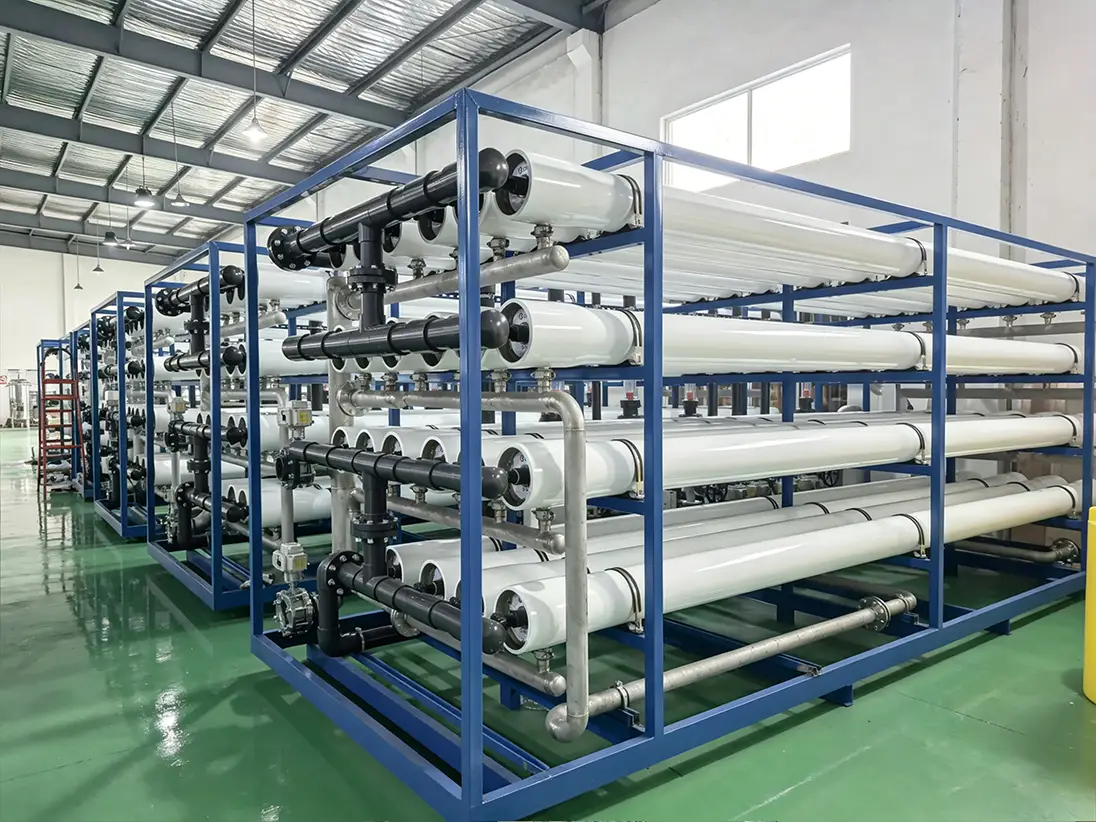
A brackish water reverse osmosis (BWRO) system is a membrane-based water treatment system designed to remove dissolved salts, minerals, and contaminants from low-to-medium salinity water sources.
Brackish water typically contains dissolved solids (TDS) ranging from 1,000 ppm to 10,000 ppm, which is significantly lower than seawater salinity.
Compared with seawater reverse osmosis (SWRO) systems, BWRO systems require lower operating pressure and lower energy consumption while maintaining high salt rejection performance.
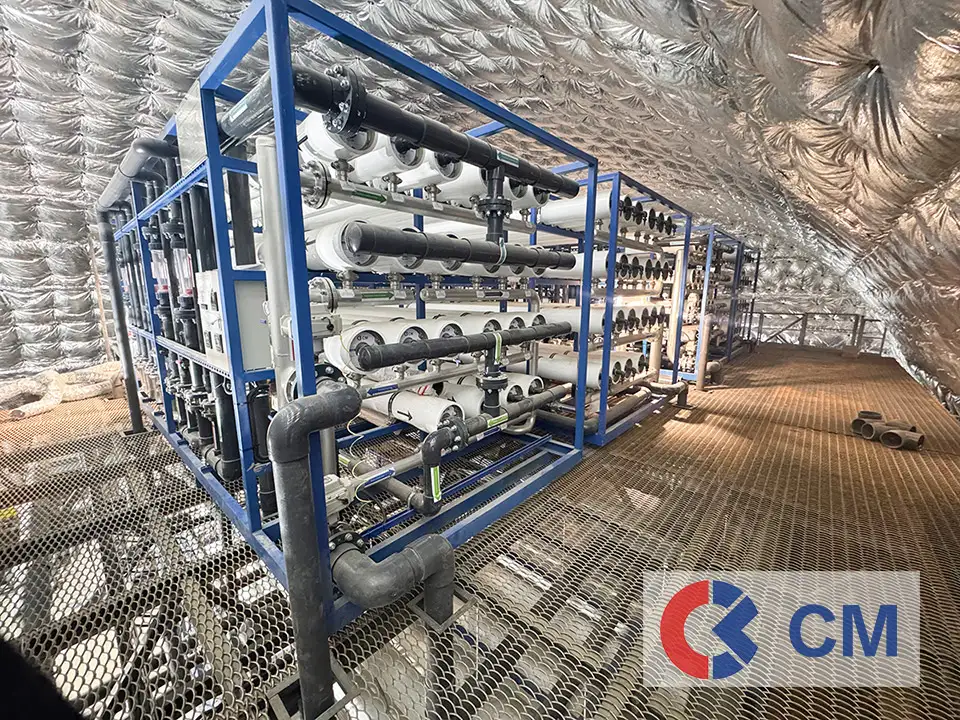
BWRO Systems Are Widely Used For:
- Groundwater desalination
- Industrial process water
- Municipal water treatment
- Boiler feed water
- Industrial wastewater reuse
- Agricultural irrigation water treatment
Typical Brackish Water Sources
Common brackish water sources include:
Different water sources require different pretreatment strategies and membrane configurations.
How BWRO Systems Work
Brackish water reverse osmosis systems use semi-permeable membranes and operating pressure to separate purified water from dissolved salts and contaminants. The process works by applying pressure to feed water, forcing water molecules through the RO membrane while rejecting dissolved salts, bacteria, organic contaminants, and suspended impurities.
Typical BWRO Process Flow
Main Process Stages
Raw Water Supply
Raw water enters the system from groundwater, industrial reuse water, or municipal water sources.
Pretreatment System
Pretreatment protects RO membranes from fouling, scaling, suspended solids, and biological contamination.
Cartridge Filtration
Cartridge filters remove fine suspended solids before water enters the RO membrane system.
High Pressure Pump
The high-pressure pump provides the required pressure for membrane separation. BWRO systems usually operate at significantly lower pressure than seawater desalination systems.
BWRO Membrane Separation
The reverse osmosis membrane removes dissolved salts, hardness, bacteria, and organic contaminants.
Permeate Water Production
Purified permeate water is collected for industrial or municipal use.
CIP Cleaning System
The CIP system is used for membrane cleaning and performance recovery.
BWRO System Design Considerations
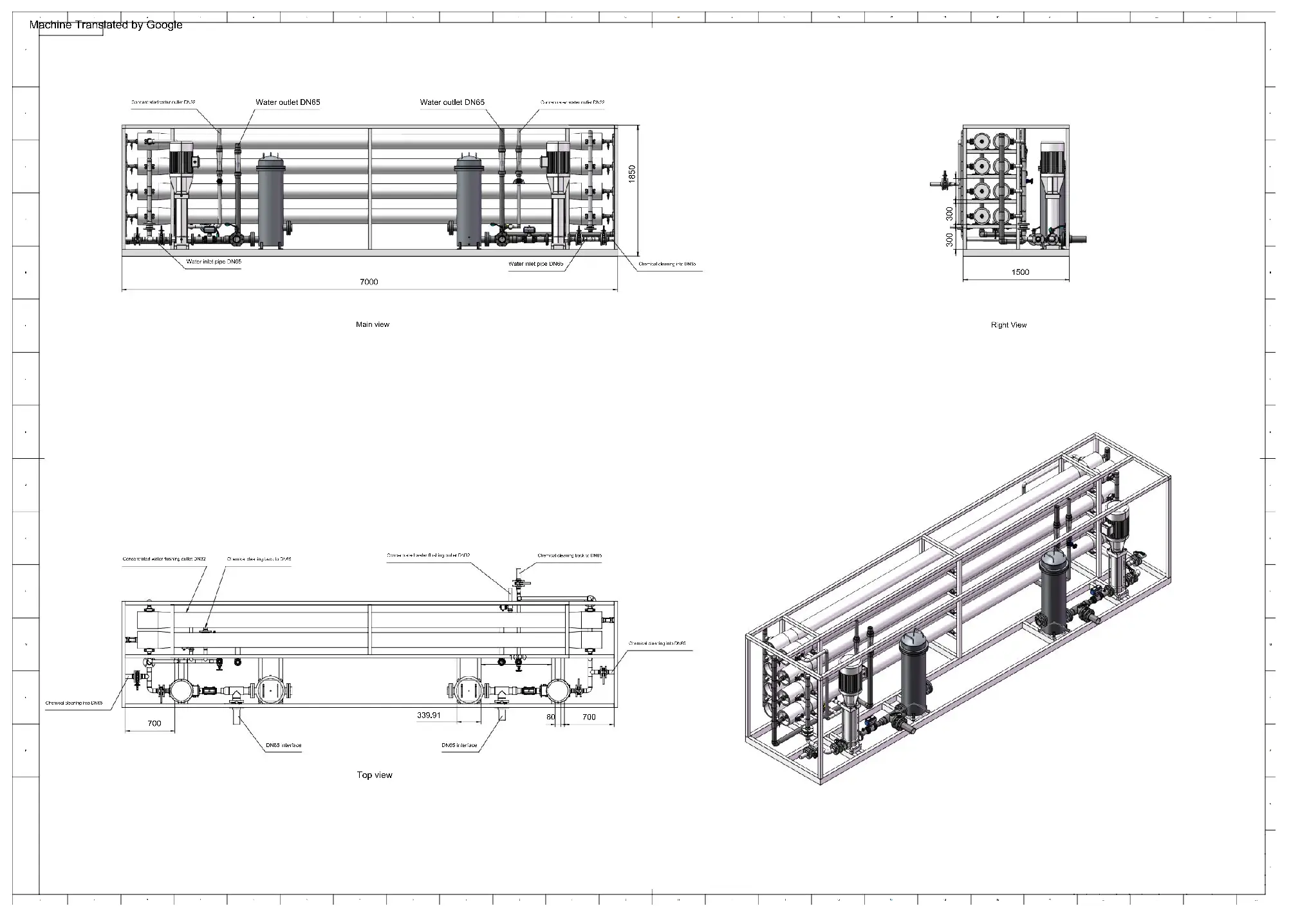
Proper BWRO system design is essential for long-term operational stability, membrane lifespan, and energy efficiency. Engineering design must balance water quality requirements, recovery rate, membrane flux, scaling risk, operating pressure, and energy consumption.
Feed Water Analysis
Feed water quality determines the overall BWRO system configuration. Important parameters include:
Recovery Rate Design
BWRO systems typically operate at recovery rates between:
Higher recovery rates improve water utilization but increase scaling risk.
Membrane Flux Design
Conservative flux design for long-term reliability. Excessive flux causes higher differential pressure, faster fouling, and reduced membrane lifespan.
Scaling Control
Typical scale types: calcium carbonate, calcium sulfate, silica scale, and barium sulfate. Controlled via antiscalant dosing, pH adjustment, and softening.
Energy Optimization
Low-energy BWRO membranes, VFD pumps, optimized membrane arrays, and high-efficiency pumps significantly reduce operating costs.
Concentrate Management
BWRO systems produce concentrate water containing elevated salt concentrations. Disposal methods may include:
BWRO System Components
Industrial BWRO systems consist of multiple integrated components working together to ensure stable operation and high water quality.
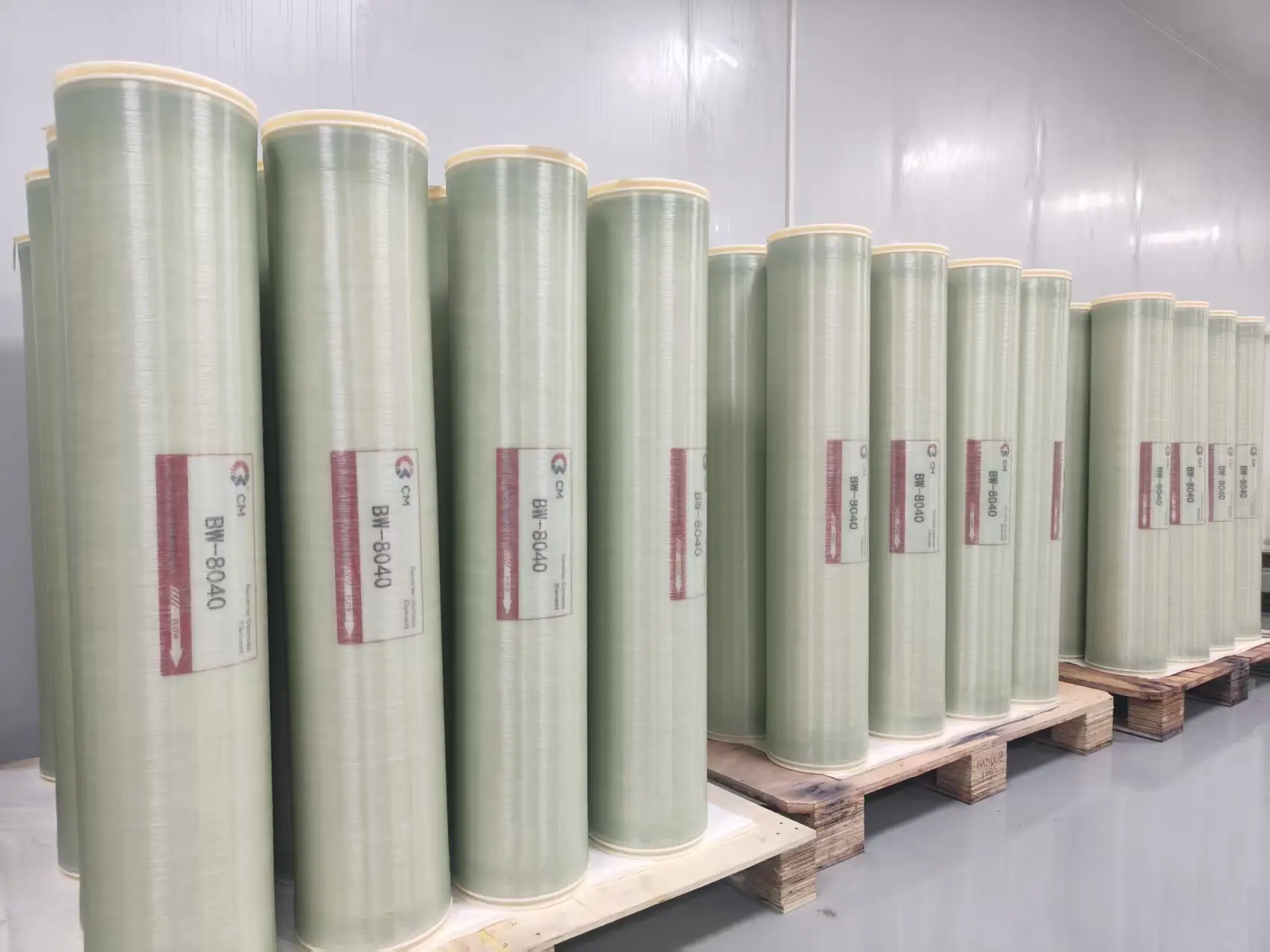
BWRO Membrane
Core component for dissolved salt removal. Modern BWRO membranes provide high salt rejection, stable permeate quality, low energy consumption, and long operational lifespan.
Pressure Vessel
Houses membrane elements and withstands system operating pressure.
High Pressure Pump
Provides required operating pressure for membrane separation. Pump selection significantly affects energy consumption and operational stability.
Cartridge Filter
Protects membranes from fine suspended solids and particles before membrane entry.
Chemical Dosing System
Proper chemical control helps reduce membrane fouling and scaling. Dosing systems may include:
- Antiscalant dosing
- Acid dosing
- Sodium bisulfite dosing
- Biocide dosing
PLC Control System
Modern BWRO systems typically include PLC automation for:
- Pressure monitoring
- Conductivity monitoring
- Automatic flushing & alarm protection
- Flow monitoring & remote control
BWRO vs SWRO Systems
BWRO systems are generally more energy-efficient and cost-effective than seawater desalination systems for medium-salinity water treatment.
| Parameter | BWRO | SWRO |
|---|---|---|
| Feed Water TDS | 1,000-10,000 ppm | 35,000-45,000 ppm |
| Operating Pressure | 10-25 bar | 55-80 bar |
| Recovery Rate | 65-85% | 35-50% |
| Energy Consumption | Lower | Higher |
| Membrane Type | BWRO Membrane | SWRO Membrane |
| Main Applications | Groundwater & Industrial Water | Seawater Desalination |
BWRO systems are generally more energy-efficient and cost-effective than seawater desalination systems for medium-salinity water treatment.
BWRO System Applications
BWRO systems are widely used across multiple industrial sectors, from groundwater desalination to large-scale industrial wastewater reuse.
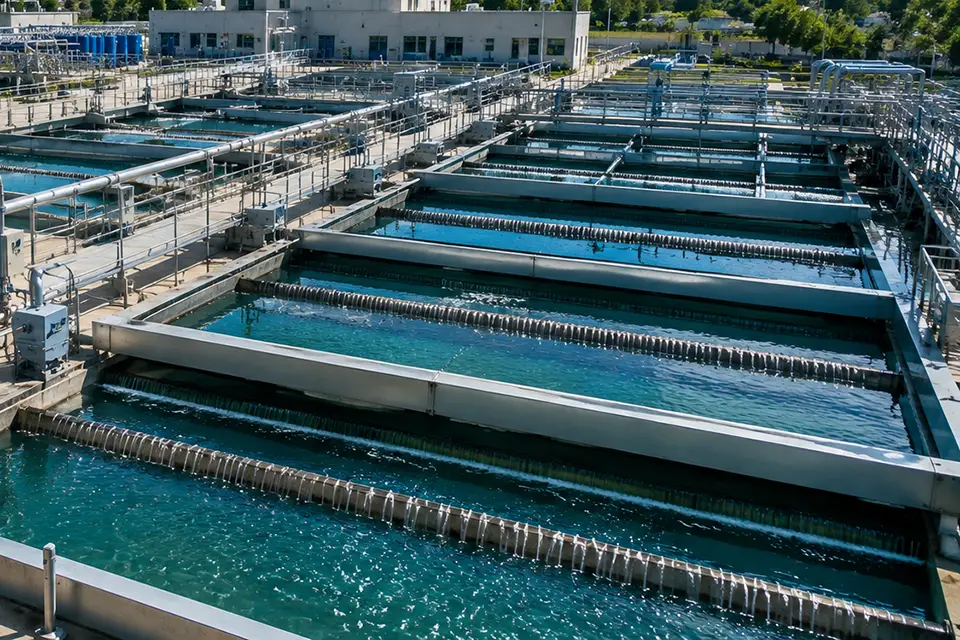
Groundwater Desalination
BWRO systems remove dissolved salts from brackish groundwater for industrial and municipal use.
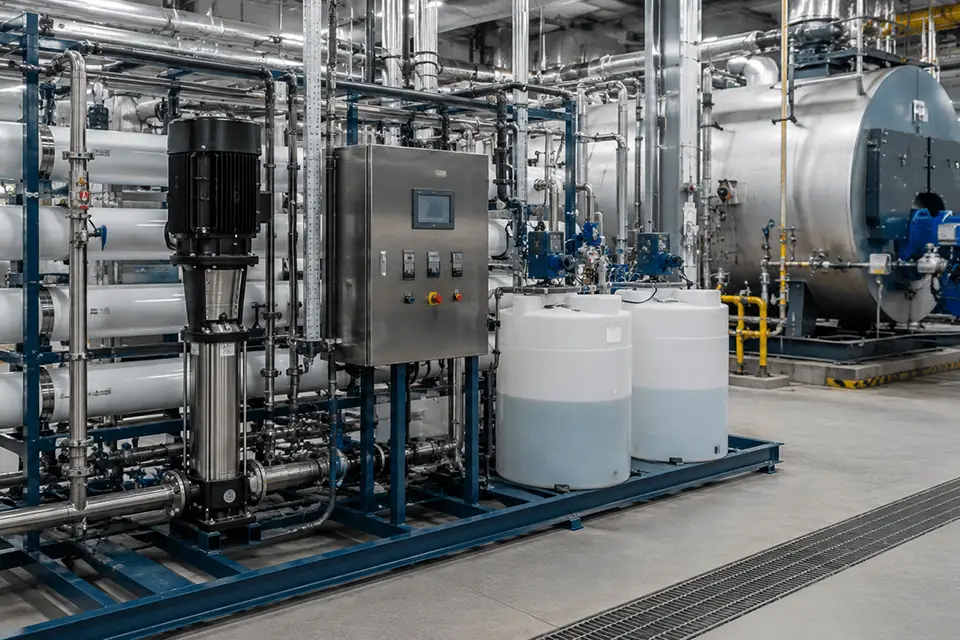
Boiler Feed Water Treatment
BWRO systems produce low-conductivity water for high-pressure boiler applications.
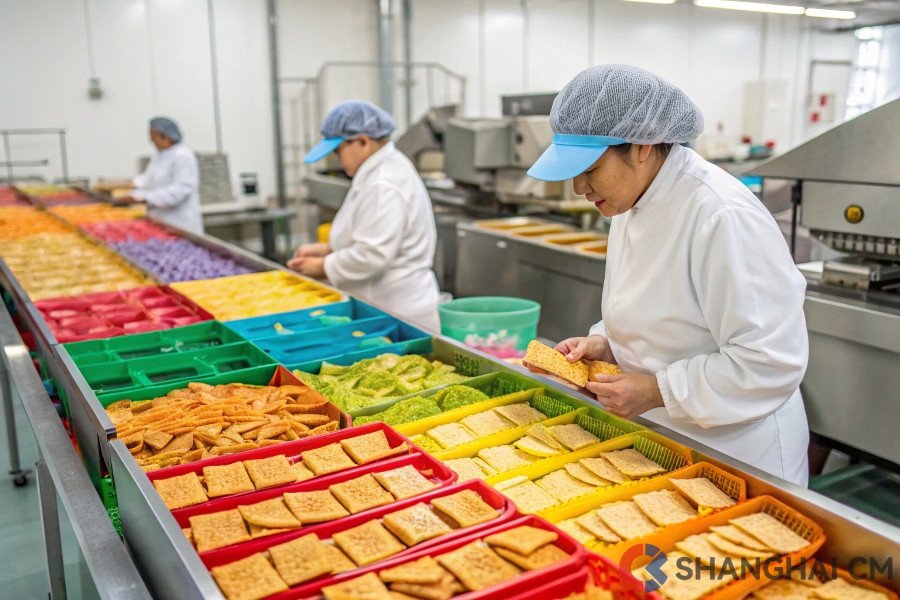
Food & Beverage Industry
Industrial BWRO systems are used for beverage water, process water, ingredient water, and CIP water supply.
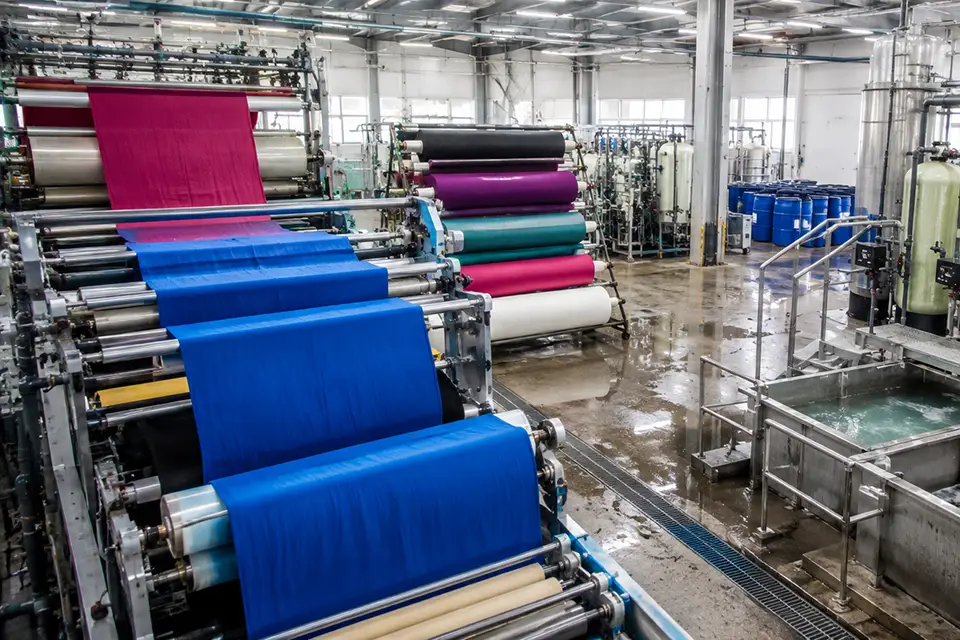
Textile Industry
BWRO systems are used for process water purification and wastewater reuse in textile plants.
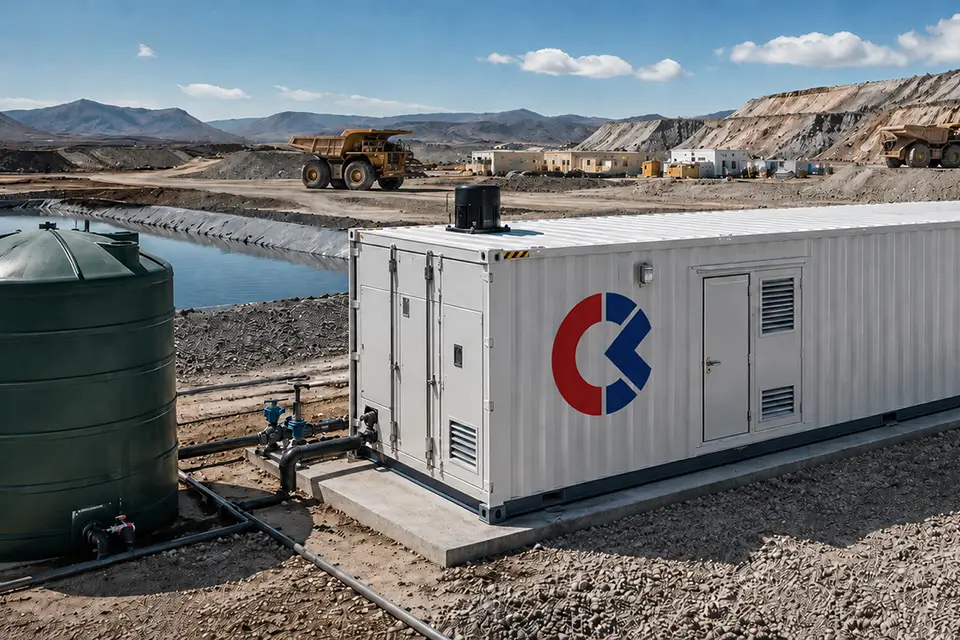
Mining Industry
Mining projects use BWRO systems for groundwater treatment and remote camp water supply.
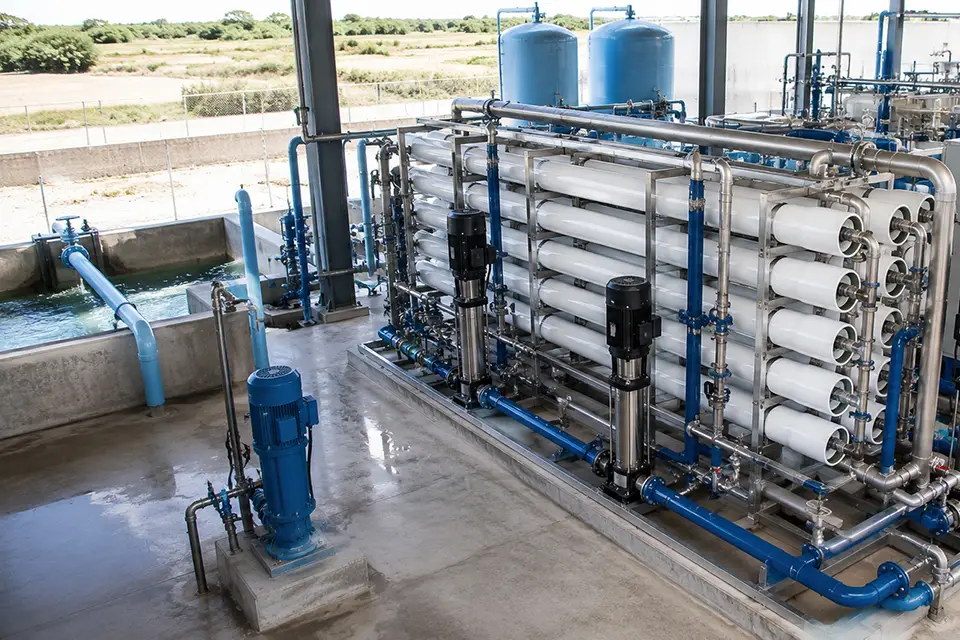
Municipal Water Treatment
Municipal BWRO systems improve drinking water quality in areas with high groundwater salinity.
Industrial Wastewater Reuse
BWRO systems help industrial facilities reduce wastewater discharge and improve water recycling efficiency, supporting sustainability goals and regulatory compliance.
BWRO Pretreatment Systems
Important: Pretreatment is one of the most critical sections of any BWRO plant. Poor pretreatment is one of the leading causes of membrane failure. A properly designed pretreatment system protects membranes from fouling, scaling, and oxidation damage.
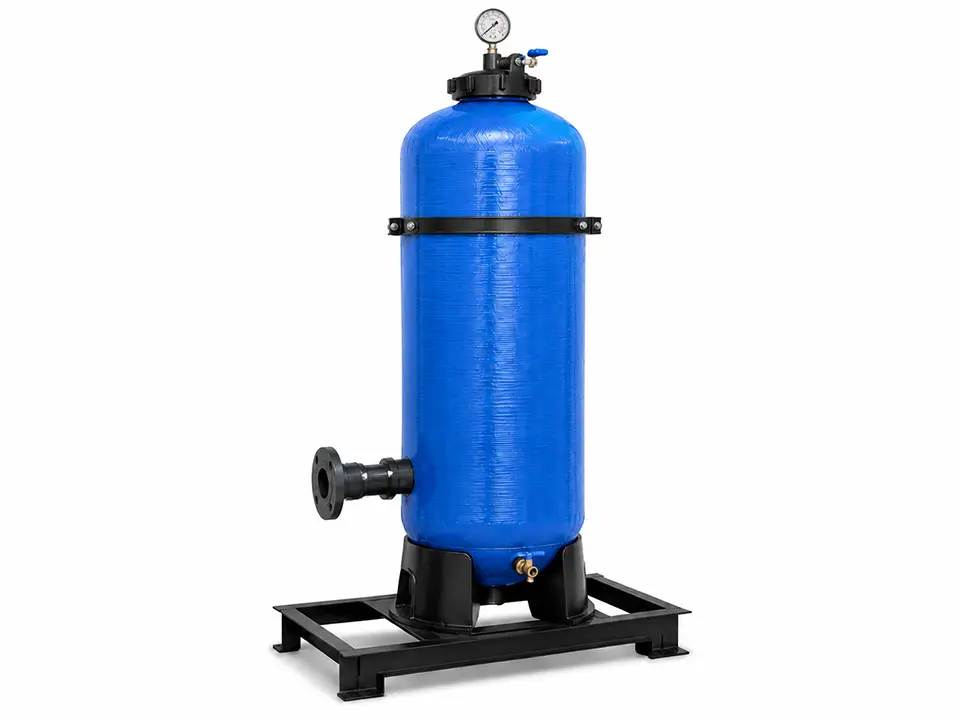
1 Multimedia Filtration
Multimedia filters remove suspended solids, turbidity, and larger particles. Typical filter media include quartz sand, anthracite, and garnet.
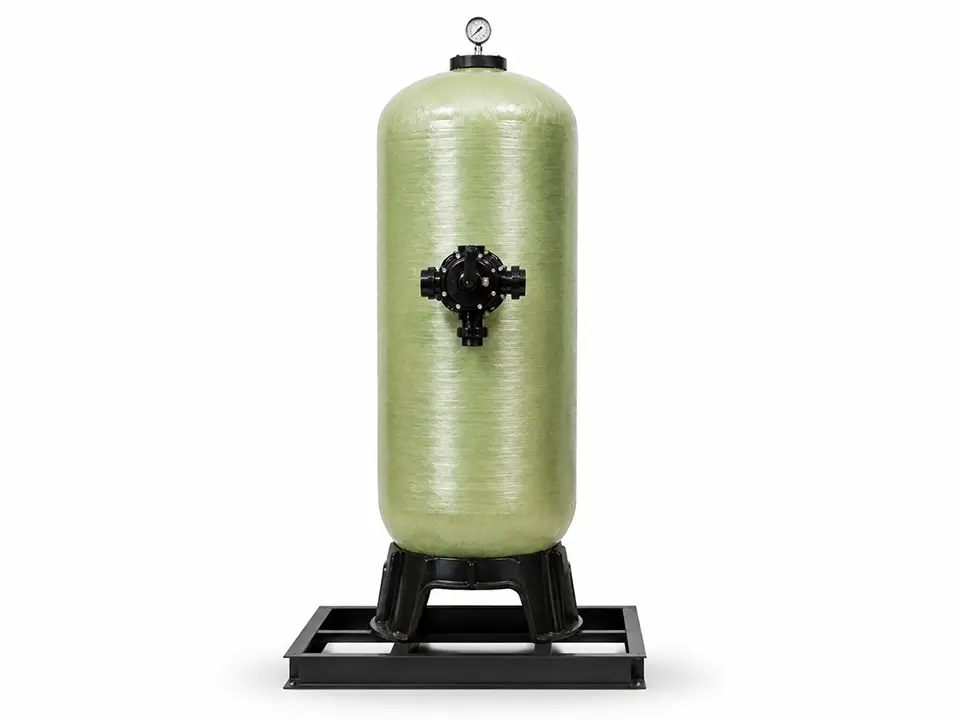
2 Activated Carbon Filtration
Removes chlorine, organic compounds, odor, and residual oxidants. Chlorine removal is essential because RO membranes are highly sensitive to oxidation.
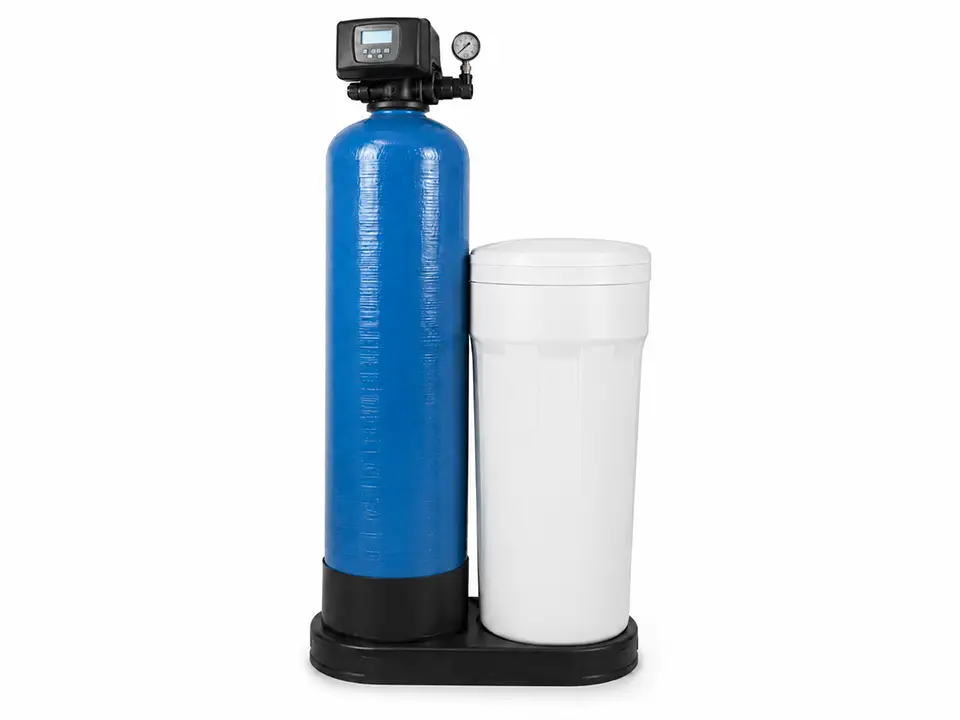
3 Water Softening Systems
Water softeners reduce calcium and magnesium hardness to minimize scaling risk on RO membranes.
4 Ultrafiltration Pretreatment
UF pretreatment provides stable SDI control and excellent suspended solids removal. Widely used before BWRO systems in:

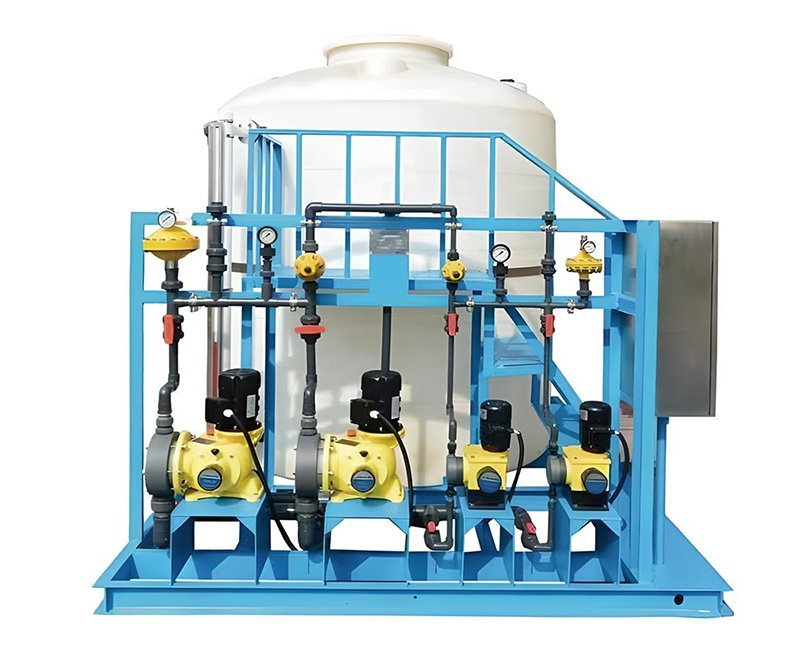
5 Chemical Dosing Systems
Antiscalant, acid, sodium bisulfite, and biocide dosing improve membrane performance and operational stability.
Typical BWRO Design Parameters
| Parameter | Typical Range |
|---|---|
| Feed Water TDS | 1,000-10,000 ppm |
| Operating Pressure | 10-25 bar |
| Recovery Rate | 65-85% |
| Membrane Flux | 15-30 LMH |
| Permeate Conductivity | <10-100 μS/cm |
| SDI Requirement | <3 |
| Feed Water Temperature | 5-45°C |
| Membrane Salt Rejection | 99-99.7% |
How to Select the Right BWRO System
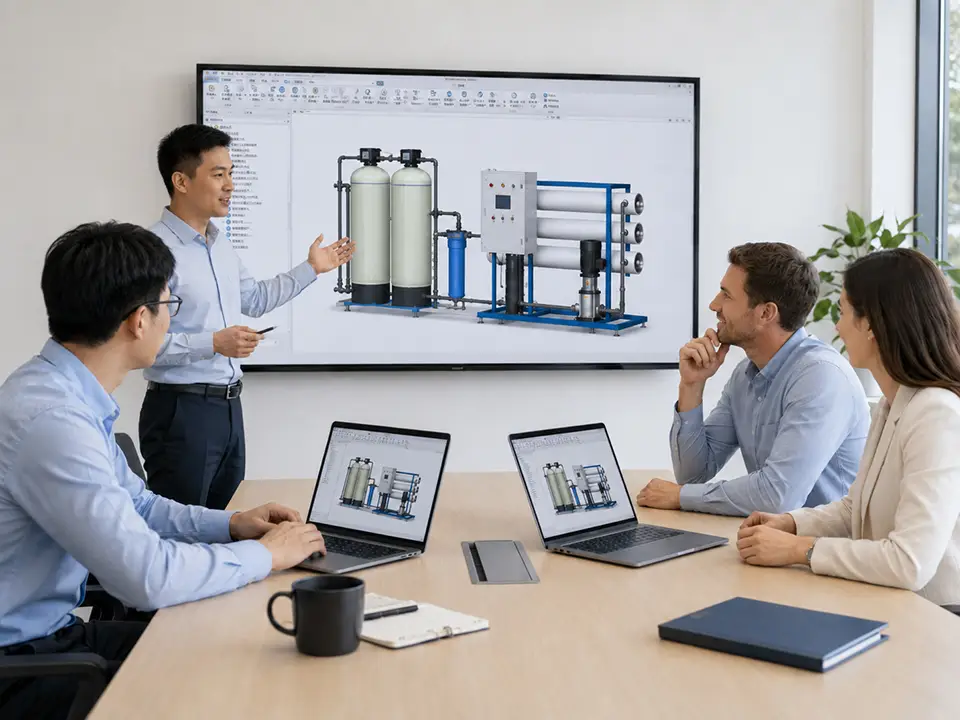
Selecting the correct BWRO system requires evaluating several engineering factors. Our team supports full system design from feed water analysis through commissioning.
Feed Water Quality
A detailed feed water analysis is essential for system design and membrane selection. TDS, hardness, silica, and SDI are critical parameters.
Required Water Quality
Different industries require different permeate quality standards. Boiler feed water and electronics-grade water require higher purity.
Water Production Capacity
BWRO systems can range from small skid-mounted units to large industrial water treatment plants.
Recovery Rate Requirements
Higher recovery improves water utilization but increases scaling risk. Recovery design must match feed water chemistry.
Installation Space
Containerized BWRO systems are ideal for remote or limited installation locations with rapid deployment needs.
Automation Requirements
Modern BWRO systems may include PLC control, SCADA integration, remote monitoring, and automatic flushing.
Need Help Selecting the Right System?
Our engineering team provides membrane selection support and custom system design for your specific application.
BWRO System Cost Factors
BWRO system cost depends on feed water quality, system capacity, pretreatment complexity, membrane selection, automation level, and material selection.
Capital Cost Factors
- Membranes
- Pumps
- Pressure vessels
- Pretreatment systems
- PLC systems
- Piping and valves
Operating Cost Factors
- Electricity consumption
- Membrane replacement
- Chemical consumption
- Labor
- Maintenance
Energy-efficient system design can significantly reduce operating expenses.
Common BWRO Problems & Solutions
Industrial BWRO systems may experience operational problems caused by membrane fouling, scaling, poor pretreatment, or improper operating conditions.
High Differential Pressure
Possible Causes
- Membrane fouling
- Suspended solids
- Biological contamination
Solutions
- CIP cleaning
- Pretreatment optimization
- Cartridge filter replacement
High Permeate Conductivity
Possible Causes
- Membrane damage
- O-ring leakage
- Oxidation damage
Solutions
- Membrane inspection
- Chlorine removal verification
- Membrane replacement
Membrane Fouling
Common Fouling Types
- Biological fouling
- Organic fouling
- Colloidal fouling
- Inorganic scaling
Prevention
- Optimize pretreatment system
- Antiscalant dosing
- Regular CIP cleaning
- Conservative flux design
Low Permeate Flow
Possible Causes
- Low operating pressure
- Membrane fouling
- Pump problems
Solutions
- Check pump performance
- Verify operating pressure
- CIP membrane cleaning
Frequent CIP Cleaning
Frequent cleaning often indicates poor pretreatment or excessive membrane flux. Review pretreatment design, reduce flux targets, and verify chemical dosing systems are operating correctly.
Custom BWRO Engineering Services
CM provides customized BWRO engineering solutions for industrial water treatment projects worldwide. We support BWRO projects ranging from compact industrial skids to large-scale groundwater desalination plants.
- Feed water analysis
- Process design
- Membrane selection
- P&ID support
- PLC integration
- Containerized BWRO systems
- OEM manufacturing
- Commissioning support
Frequently Asked Questions
What Is a Brackish Water RO System?
What Is the Difference Between BWRO and SWRO?
What Is the Recovery Rate of a BWRO System?
What Operating Pressure Does a BWRO System Require?
What Pretreatment Is Required Before BWRO?
How Long Do BWRO Membranes Last?
What Causes BWRO Membrane Fouling?
How Much Does a BWRO System Cost?
Can BWRO Systems Treat Groundwater?
Can BWRO Systems Be Containerized?
Ready to Start Your BWRO Project?
Get a technical consultation customized to your feed water quality, capacity requirements, and industrial application needs.