
RO Membrane Cleaning (CIP) Guide: Process, Chemicals & Best Practices
Cleaning-In-Place (CIP) is a critical maintenance process for any industrial reverse osmosis system. Over time, all RO membranes will accumulate foulants and scale, leading to decreased performance. Timely and proper RO membrane cleaning restores system efficiency, minimizes energy consumption, and significantly extends your membrane lifespan.
This comprehensive engineering guide covers:
- •When to trigger an RO membrane cleaning cycle.
- •Identifying different types of fouling and choosing the right chemicals.
- •A step-by-step CIP procedure for industrial systems.
- •Critical parameters and safety precautions to avoid damaging your membranes.
What is RO Membrane Cleaning (CIP)?
RO membrane cleaning, universally known as CIP (Cleaning-In-Place), is a specialized process used to remove fouling, scaling, and biological slimes from reverse osmosis membranes without removing the elements from their pressure vessels.
By utilizing targeted chemical solutions circulated at low pressure and high flow rates, a well-executed CIP process can:
Restore lost permeate flow (flux)
Lower differential pressure (ΔP) back to baseline
Improve salt rejection rate (lowering permeate TDS)
Prevent permanent membrane compaction and damage
When Should You Perform RO Membrane Cleaning?
Timing is everything. If you wait too long to clean your membranes, the foulants will compact and become impossible to remove.
Standard engineering protocols dictate CIP when any of these parameters change:
Increase in differential pressure (ΔP)
Indicates membrane fouling or scaling
Decrease in normalized permeate flow
Shows reduced membrane productivity
Increase in salt passage
Feed TDS leaking into permeate water
Pro-Tip: Always compare current data against the baseline data recorded during the first 48 hours of system operation, normalized to a standard temperature (usually 25°C).
Types of Fouling and Corresponding Cleaning Methods
Before mixing chemicals, you must know what you are trying to clean. Using the wrong chemical can fix the foulant to the membrane permanently.
1. Organic Fouling & Biofouling
Sources:
Oils, grease, humic substances, bacteria, and biofilm.
Symptoms:
High pressure drop in the first stage of the system.
Cleaning Method:
High pH Alkaline Cleaning. Alkaline solutions soapify fats and solubilize organic matter.
2. Inorganic Scaling
Sources:
Calcium carbonate, calcium sulfate, and barium sulfate.
Symptoms:
High pressure drop and low flow in the last stage of the system.
Cleaning Method:
Low pH Acid Cleaning. Acidic solutions dissolve mineral scales.
3. Colloidal & Silt Fouling
Sources:
Fine clay particles, silt, and colloidal silica.
Symptoms:
Overall flux decline across all stages.
Cleaning Method:
Alkaline cleaning combined with chelating agents or dispersants to break the physical bonds of the silt.
RO Membrane Cleaning Chemicals & Selection
A standard CIP regimen typically involves alternating between acidic and alkaline solutions.
Alkaline Cleaners (pH 10-12)
Usually based on Sodium Hydroxide (NaOH) or specialty formulated high-pH cleaners.
Excellent for removing organics and bio-slimes.
Acid Cleaners (pH 2-4)
Usually based on Citric Acid or Hydrochloric Acid (HCl).
Excellent for dissolving calcium carbonate scales.
Biocides
Non-oxidizing biocides are used to kill bacteria and stop biofilm regeneration.
Surfactants & Chelants (like EDTA)
Added to high-pH solutions to help lift stubborn colloidal foulants and emulsify oils.
Strict Warning: Polyamide RO membranes have zero tolerance for free chlorine. Never use chlorine-based bleaches in your CIP solution unless you are using specialized cellulose acetate membranes.
Step-by-Step RO Membrane CIP Cleaning Procedure
Here is the standard industrial operating procedure for a successful CIP.
Step 1: System Isolation and Low-Pressure Flush
- •Shut down the RO high-pressure pump.
- •Isolate the RO unit from the rest of the plant using block valves.
- •Flush the membranes with clean, chlorine-free permeate water at low pressure to push out residual concentrated brine.
Step 2: Prepare the Cleaning Solution
- •Fill the dedicated CIP tank with RO permeate water.
- •Add the calculated amount of cleaning chemicals.
- •Mix thoroughly and check the pH.
Crucial: Heat the solution to 30°C-35°C. Warm water drastically improves chemical reaction rates and cleaning efficiency.
Step 3: Low-Flow Recycle
- •Introduce the cleaning solution into the pressure vessels at low pressure (less than 4 bar / 60 psi).
- •Direct the first 10% to 20% of the returning solution to the drain (as it carries heavily concentrated initial foulants).
- •Recycle the remaining solution back to the CIP tank.
Step 4: High-Flow Recycle & Soaking
- •Increase the flow rate to create turbulence (scrubbing effect) without exceeding the manufacturer's pressure limits. Circulate for 30-60 minutes.
- •Turn off the pump and let the membranes soak for 1 to 2 hours (or overnight for severe biofouling). This allows the chemicals to penetrate deep into the foulant layers.
Step 5: Final Flush
- •Drain the CIP tank and fill it with fresh RO permeate.
- •Flush the chemical cleaning solution completely out of the pressure vessels and send the flush water to the drain.
Step 6: Return to Service
- •Restart the system at normal operating pressure.
- •Run the produced water to the drain for the first 15 to 30 minutes to ensure all residual chemicals are gone and water quality (TDS) has stabilized.
Critical CIP Cleaning Parameters
To avoid damaging expensive membranes, operators must strictly monitor these parameters during the CIP process:
Temperature
Keep it between 25°C and 35°C.
⚠️ Temperatures above 40°C can physically deform and ruin polyamide membranes.
Flow Rate
Use high flow rates to create shear velocity in the feed channels.
Do not exceed the pressure drop limit per vessel (typically 1 bar or 15 psi per element).
pH Limits
Check your specific membrane datasheet.
Typically, the safe range for cleaning is pH 1 to 12.
The Golden Sequence Rule
If your system requires both acid and alkaline cleaning:
Always do the alkaline (high pH) cleaning first, followed by a thorough flush, and then the acid (low pH) cleaning.
If you do acid first on organic fouling, it can cause the organics to coagulate and become permanently unremovable.
FAQ - RO Membrane Cleaning
Q1: How often should industrial RO membranes be cleaned?
A: Depending on feed water quality and pretreatment efficiency, standard intervals are every 3 to 6 months. If you find yourself needing to perform a CIP more than once a month, your pretreatment system (filters, softeners, or dosing) is failing and needs optimization.
Q2: Can I use tap water to mix my CIP chemicals?
A: It is highly discouraged. Tap water contains dissolved minerals and sometimes free chlorine. Using it to mix chemicals can trigger scaling during the cleaning process itself. Always use RO permeate water for mixing and flushing.
Q3: Why did my salt rejection drop after a CIP clean?
A: This can happen if the membrane was already heavily scaled. The scale might have been physically blocking small micro-tears or O-ring leaks. Once the acid dissolved the scale, the pre-existing leak was exposed.
Q4: How do I know if my CIP was successful?
A: A successful CIP will result in a 10% to 15% reduction in differential pressure and a visible restoration of the permeate flow rate at standard operating pressures.
Featured Solutions
Keep your RO system running at peak efficiency with our specialized products
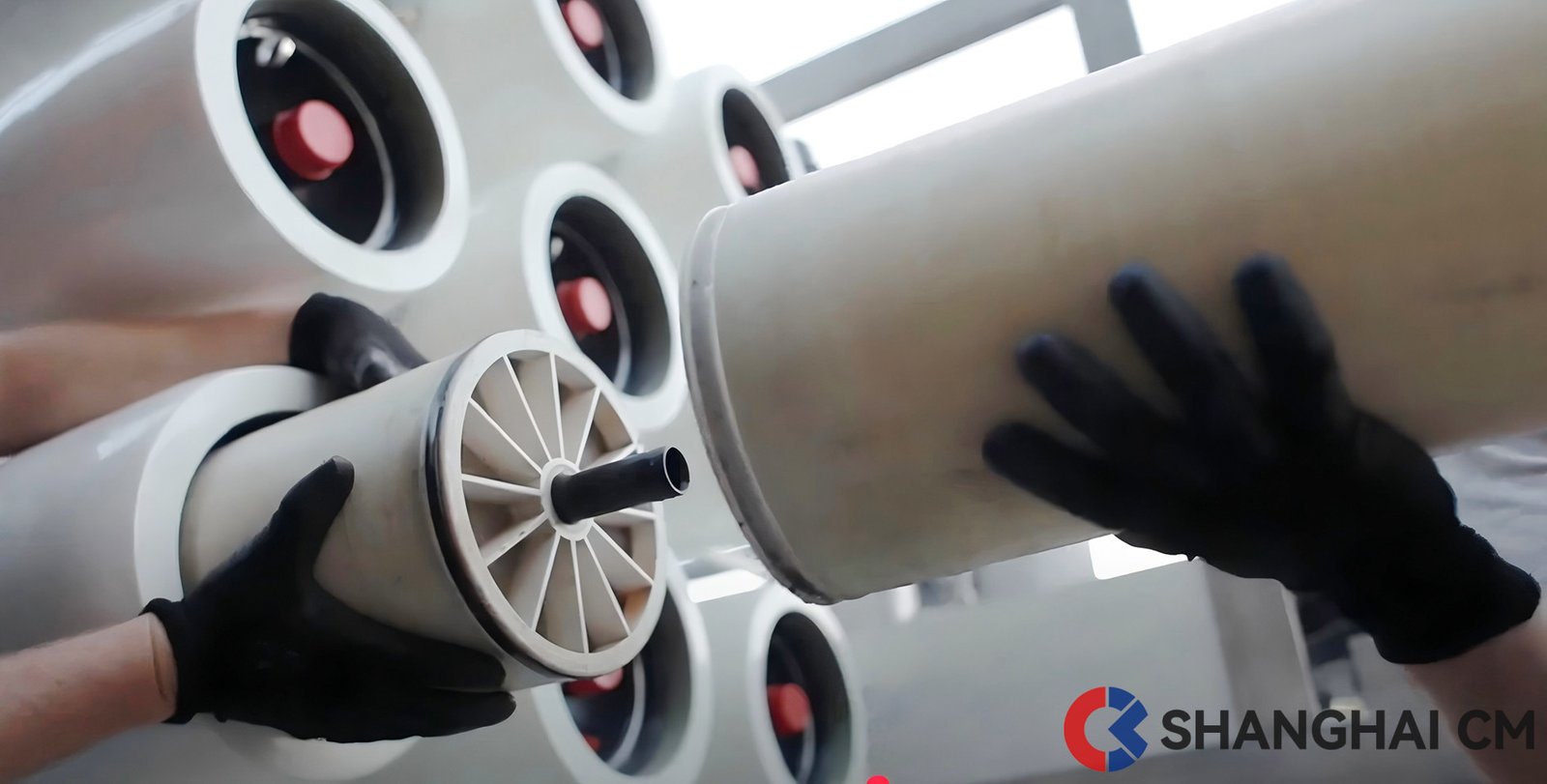
Anti-Fouling RO Membranes
Reduce CIP frequency by up to 50% with our advanced membrane technology.
Learn More →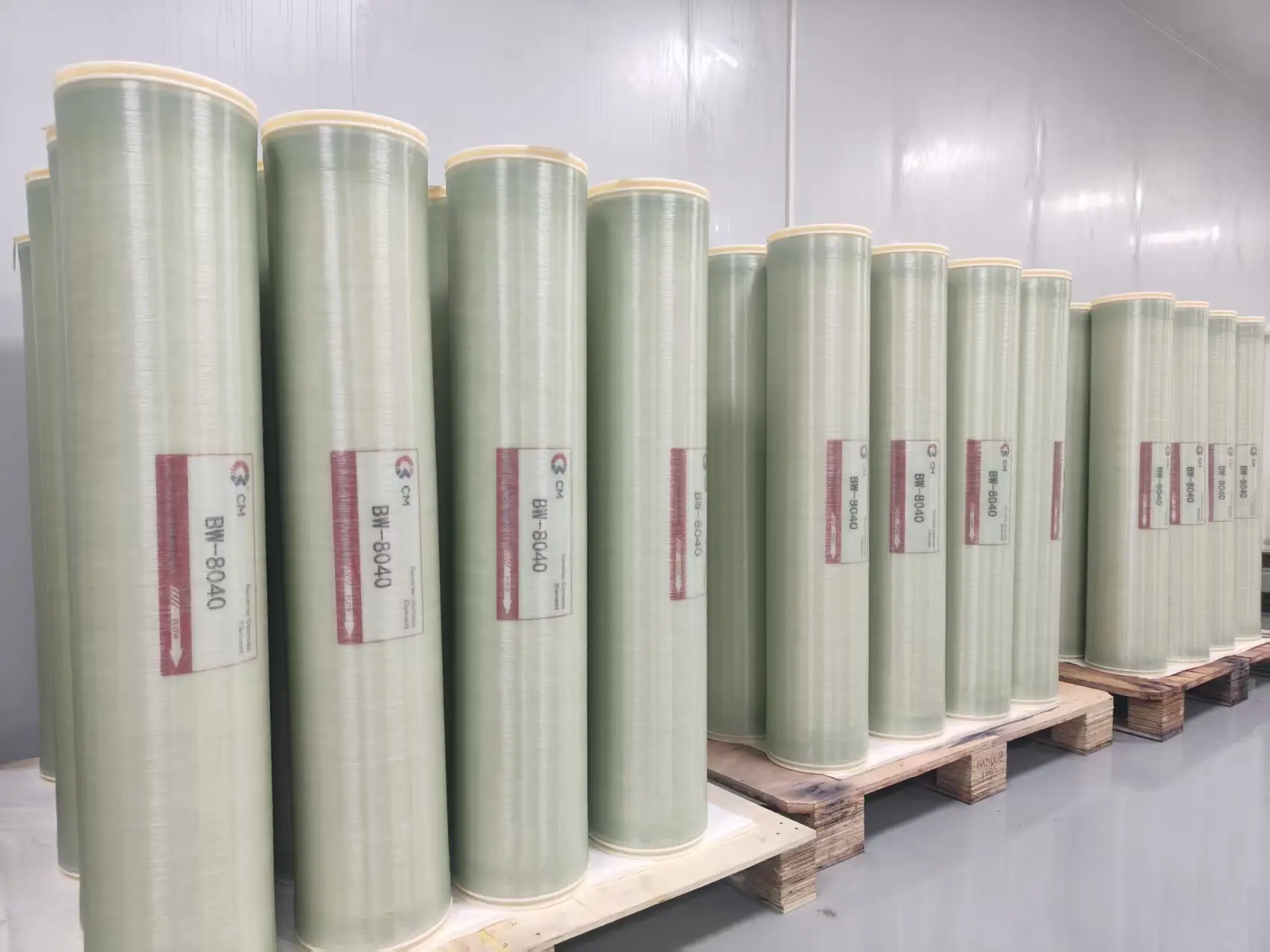
Brackish Water RO Membranes
Industry-standard high-rejection elements for reliable performance.
Learn More →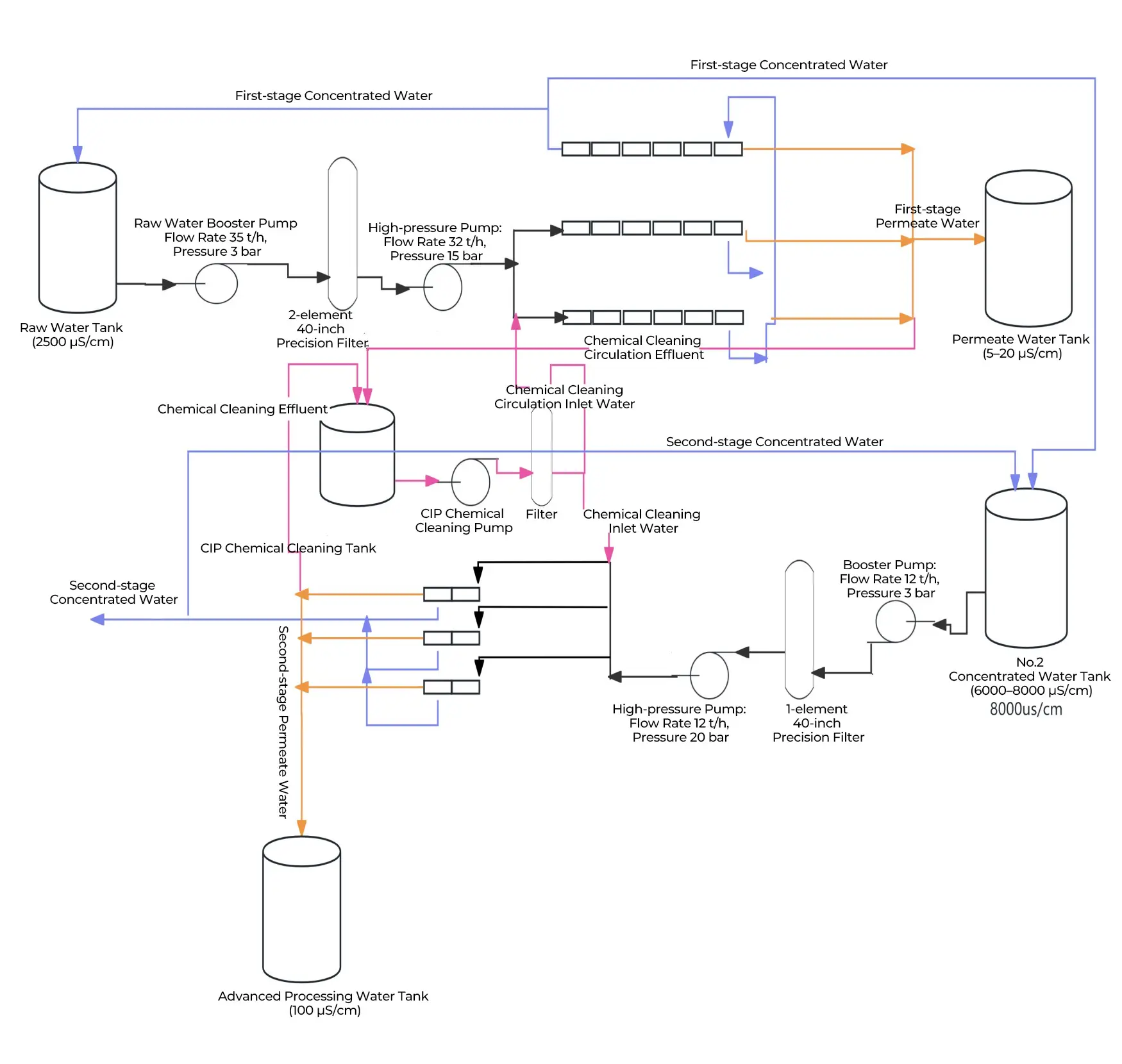
Skid-Mounted CIP Systems
Automated cleaning units for easy maintenance and consistent results.
Learn More →Need Help Optimizing Your RO CIP Process?
Don't guess your chemical recipes or risk ruining your membranes with improper procedures. Let our water treatment engineers help you design the perfect cleaning protocol for your specific water conditions.
Contact us today for:
- •Customized acid/alkaline CIP chemical recommendations.
- •Step-by-step operating checklists for your plant operators.
- •Competitive quotes on replacement RO membranes.