
Ultra Low Pressure RO Membrane
High-Rejection, Energy-Saving RO Membrane for Low TDS Industrial & Municipal Water
Designed for Maximum Energy Efficiency in Continuous Operation
In modern industrial and municipal RO systems, energy cost represents a major portion of long-term operational expenses.
Our Ultra Low Pressure RO Membranes are engineered to deliver high salt rejection at significantly reduced operating pressure, making them ideal for:
If your feed water TDS is between 200-1,000 ppm, ultra low pressure membranes can significantly reduce pump energy demand while maintaining stable permeate quality.
Core Product Models
Industry-standard configurations for scalable RO systems
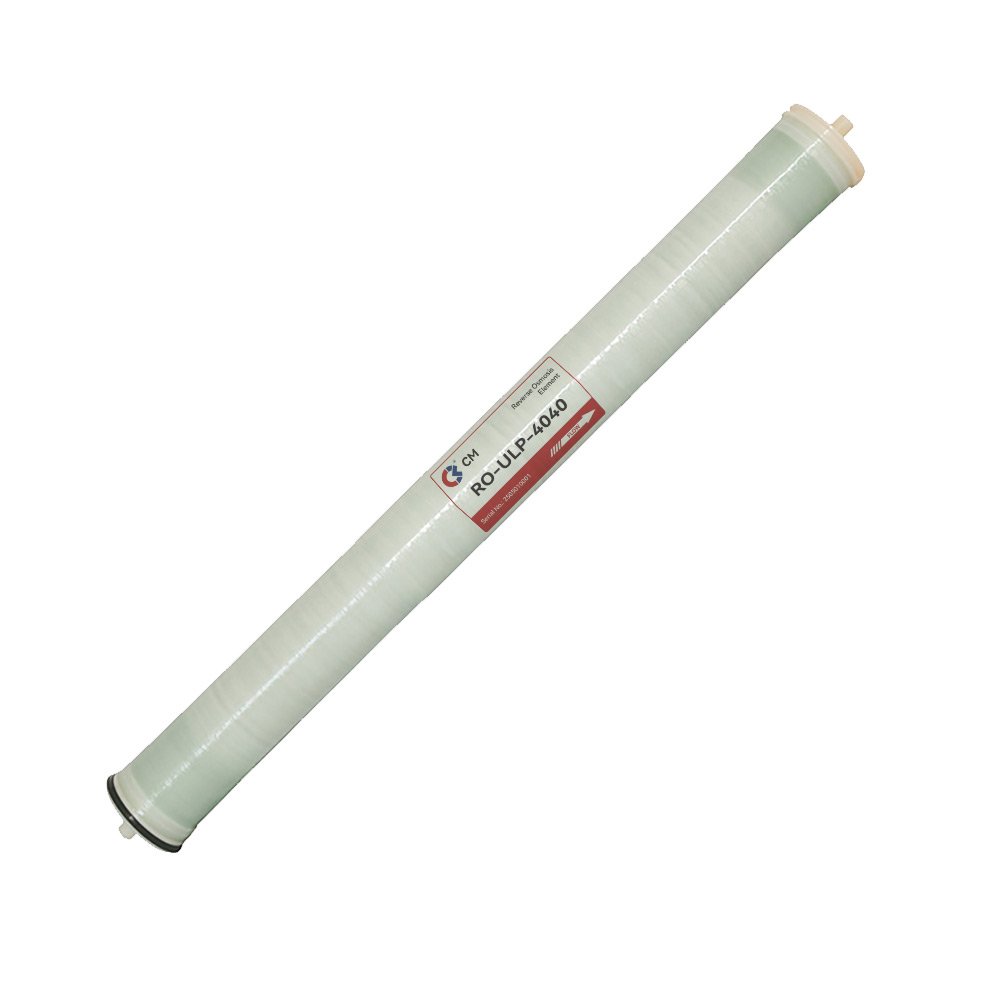
4040 Ultra Low Pressure RO Membrane
- Operating pressure: 110 psi
- Salt rejection: ≥ 99%
- Optimized for small & medium RO systems
- Suitable for pharmaceutical, food & beverage, and laboratory systems
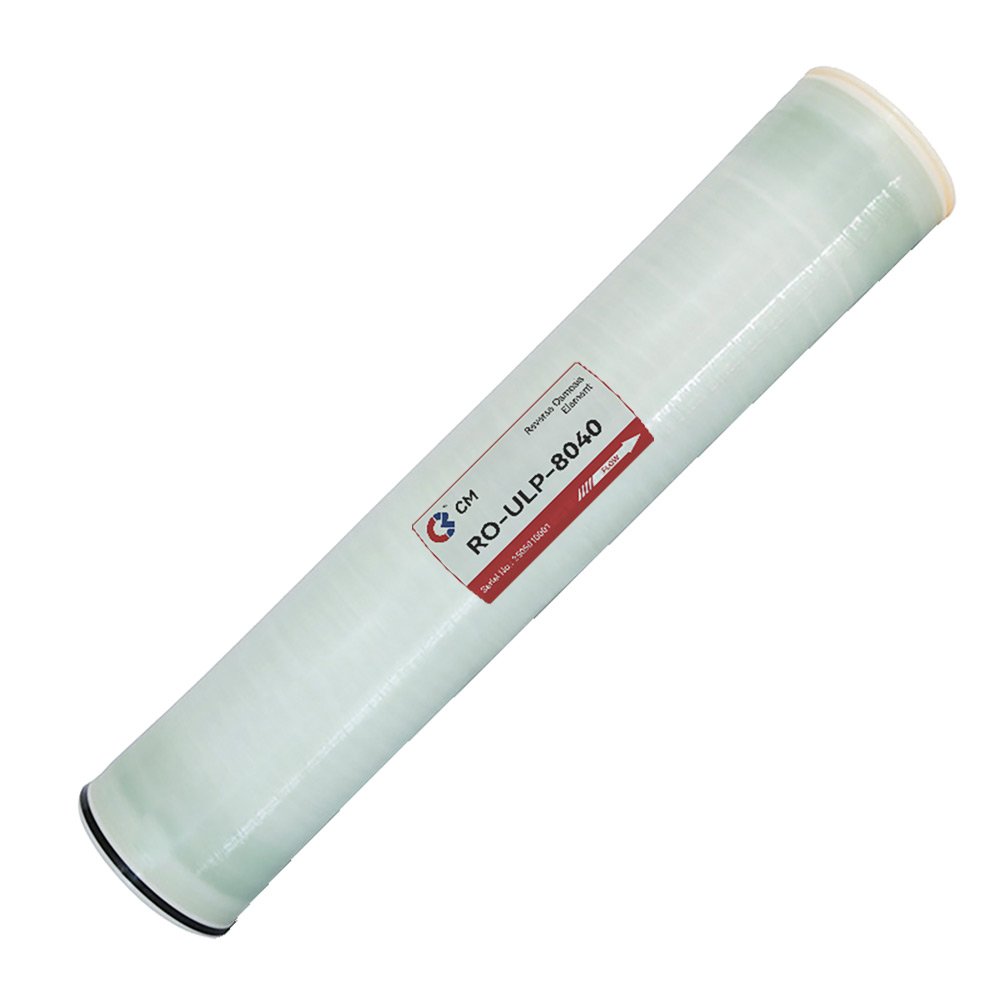
8040 Ultra Low Pressure RO Membrane
- Operating pressure: 110 psi
- Large active membrane area
- Designed for municipal and industrial continuous operation
- Ideal for energy-optimized RO skids
ULP Series RO Membrane Specifications
Ultra-Low Pressure membrane performance data and technical specifications
| Model | Effective Membrane Area ft² (m²) |
Average Yield GPD (m³/d) |
Salt Rejection (%) |
Recovery Rate (%) |
|---|---|---|---|---|
| ULP-2521 | 13 (1.2) | 350 (1.3) | 98.5% | 8% |
| ULP-2540 | 28 (2.6) | 750 (2.8) | 99.0% | 8% |
| ULP-4021 | 36 (3.3) | 950 (3.6) | 99.0% | 8% |
| ULP-4040 | 78 (7.2) | 2600 (9.8) | 99.0% | 15% |
| ULP-8040 | 400 (37) | 11000 (41.6) | 99.2% | 15% |
| ULP-8440 | 440 (41) | 12000 (45) | 99.2% | 15% |
Testing Conditions: Feed water temperature 25°C, feed water pressure 1.05 MPa (150 psi), feed water TDS 500 ppm (NaCl), pH 7.5, recovery rate as specified per model.
Why Choose Ultra Low Pressure RO Membranes?
Maximum Energy Reduction
Compared with conventional brackish water membranes:
- Lower applied pressure
- Reduced pump power consumption
- Lower electricity cost per cubic meter
- Improved system energy efficiency
For large-scale municipal systems operating 24/7, energy savings over 3-5 years can significantly reduce total cost of ownership (TCO).
Stable High Rejection Performance
Despite lower pressure operation, membranes maintain:
- ≥ 99% salt rejection
- Stable permeate conductivity
- Controlled permeate flow
Optimized membrane chemistry ensures balance between permeability and rejection.
Reduced Mechanical Stress
Lower operating pressure results in:
- Less membrane compaction
- Lower pressure drop growth
- Reduced equipment wear
- Extended system component lifespan
This is particularly beneficial for long-term municipal projects.
Application Scenarios
Ultra Low Pressure RO Membranes are ideal for:
If feed water salinity is low and energy efficiency is a primary concern, ultra low pressure membranes offer superior economic performance.
Technical Operating Parameters
Standard Test Conditions
- 1,500-2,000 ppm NaCl solution
- Temperature: 25°C
- pH: 7-8
- Recovery: 15%
Typical Performance
Proper pretreatment ensures long-term membrane stability.
Engineering Selection Guide
Ultra Low Pressure RO Membranes are recommended when:
To receive a precise recommendation, please provide:
- 1. Feed water analysis report
- 2. Required permeate capacity (m³/h)
- 3. Target recovery rate
- 4. System configuration
Our engineering team will evaluate expected operating pressure and energy-saving potential within 24 hours.
Replacement & OEM Services
Our ultra low pressure membranes are:
We support municipal engineering companies, industrial EPC contractors, and international distributors.
Cost Advantage for EPC & Integrators
Ultra low pressure membranes improve bidding competitiveness by:
Reducing Projected Operating Cost
Lowering System Energy Consumption
Enhancing Long-term Project ROI
For large municipal systems, even small pressure reductions translate into substantial energy savings over time.
Frequently Asked Questions
What is the difference between low pressure and ultra low pressure RO membranes?
What TDS range is suitable for ultra low pressure membranes?
Will ultra low pressure membranes reduce salt rejection?
How much energy can be saved?
Are these membranes suitable for municipal drinking water projects?
Can ultra low pressure membranes replace existing standard membranes?
What pretreatment is required?
Feed water should meet:
- SDI ≤ 5
- Turbidity < 1 NTU
- No free chlorine
- Proper hardness control
Standard pretreatment includes multimedia filtration, activated carbon filtration, and cartridge filtration.
What is the expected service life?
Start Reducing Your RO System Energy Cost
If you are designing an energy-efficient municipal or industrial RO system, send us your water analysis and system requirements.
Our engineers will provide:
- Model recommendation
- Estimated operating pressure
- Energy optimization suggestion
- Project quotation