
Industrial reverse osmosis (RO) membranes are critical components in water treatment systems, directly affecting water quality, operating cost, and system efficiency.
In most applications, RO membranes need to be replaced every 2–3 years. However, with proper pretreatment and maintenance, their lifespan can extend to 3–5 years or longer.
This guide explains RO membrane lifespan, replacement signs, and cost optimization strategies to help engineers and plant operators make informed decisions.
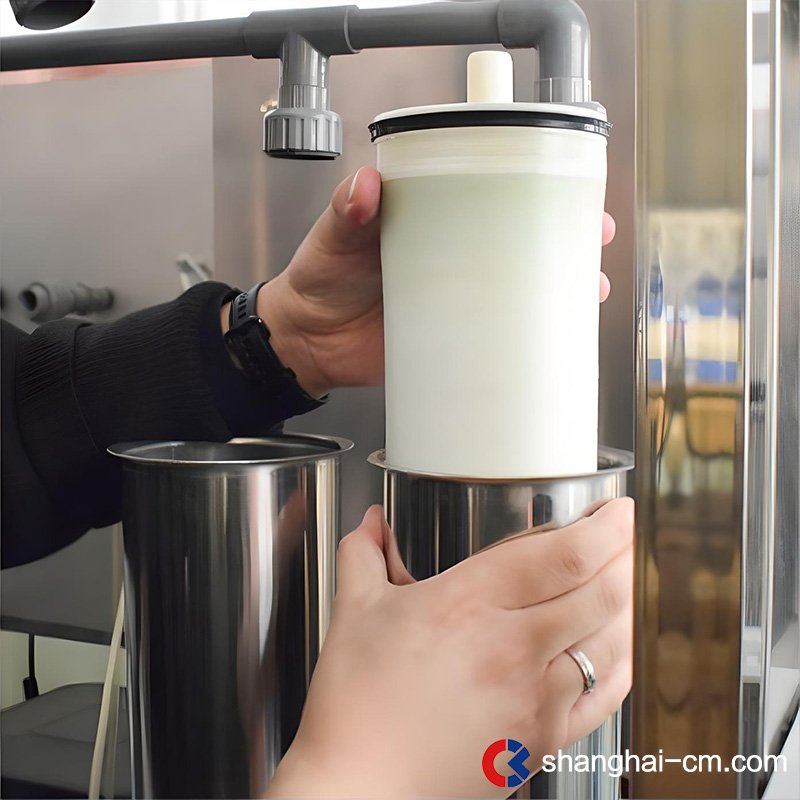
Typical RO Membrane Lifespan
The lifespan of industrial RO membranes depends heavily on feed water quality and system operation:
| Water Condition | Expected Lifespan | |||
|---|---|---|---|---|
| Good pretreatment (UF + Carbon) | 3–5 years | |||
| High hardness (no softening) | 1–2 years | |||
| Chlorine exposure | < 1 year | |||
| High organic / biofouling | 1–3 years |
👉 Proper pretreatment systems such as MBR membranes or industrial RO systems can significantly extend membrane life.
Key Signs You Need to Replace RO Membranes
Instead of relying only on time, membrane replacement should be based on performance indicators.
- Permeate flow drops by 10–20%
- Salt rejection decreases significantly
- Operating pressure increases
- CIP cleaning cannot restore performance
Quick Decision Guide
Flow drop > 15%? → YES
Salt rejection drop > 10%? → YES
CIP recovery < 85%? → YES

👉 Replace RO membrane
Main Factors Affecting RO Membrane Lifespan
1. Feed Water Quality
Poor water quality is the primary cause of membrane degradation. Key risks include:
- High SDI (silt density index)
- Hardness (Ca, Mg scaling)
- Organic fouling
- Chlorine oxidation
2. Pretreatment System Design
Effective pretreatment is essential. Systems often include:
- Sand filtration
- Activated carbon filtration
- Ultrafiltration (UF)
Learn more about industrial RO system configurations.
3. Operating Conditions
- High pressure operation
- Frequent start-stop cycles
- Improper recovery rate
4. Cleaning (CIP) Frequency
Regular cleaning can extend membrane life by 30–50%. Without proper cleaning, fouling becomes irreversible.
👉 See our guide on RO membrane cleaning (CIP).
How to Extend RO Membrane Lifespan
-
Maintain SDI < 3
-
Remove chlorine completely
-
Optimize recovery rate
-
Perform regular CIP cleaning
-
Use high-quality membranes
-
Cost of RO Membrane Replacement
Replacing membranes too late can increase total operating cost due to:
- Higher energy consumption
- Reduced water production
- System instability
👉 In many cases, delayed replacement costs more than early replacement.
Reduce RO Membrane Replacement Cost
To optimize long-term cost:
- Use proper pretreatment (UF / MBR)
- Choose reliable membrane suppliers
- Implement preventive maintenance
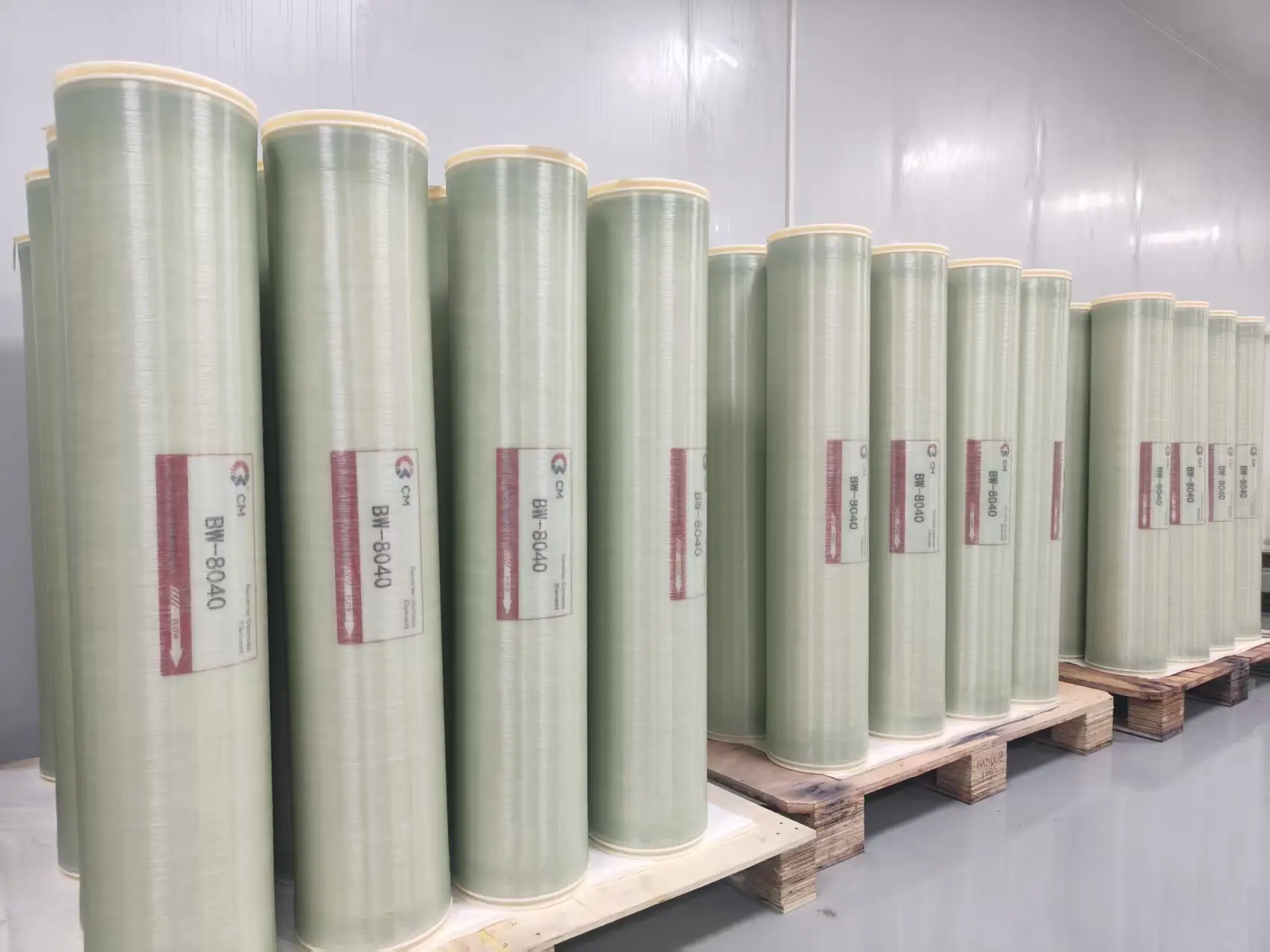
CM RO membranes are designed for stable performance and longer lifespan in industrial applications, helping reduce total replacement frequency.
Frequently Asked Questions (FAQ)
1. How long do industrial RO membranes last?
Typically 2–3 years, or up to 5 years with proper maintenance.
2. What is the biggest cause of membrane failure?
Poor pretreatment and chlorine damage are the most common causes.
3. Can RO membranes last more than 5 years?
Yes, in well-designed systems with excellent water quality.
4. How often should RO membranes be cleaned?
Every 3–6 months depending on fouling conditions.
5. What happens if I don’t replace RO membranes?
Water quality declines, energy costs increase, and system damage may occur.
6. Is CIP enough to restore membrane performance?
Only partially. If performance cannot recover, replacement is required.
7. How do I know if fouling is irreversible?
If performance recovery after cleaning is less than 80–85%.
8. Are high-end membranes worth the cost?
Yes, they often reduce long-term operational costs.
Conclusion
Industrial RO membranes typically require replacement every 2–5 years, depending on water quality, system design, and maintenance practices.
By monitoring performance indicators and optimizing operation, you can significantly extend membrane lifespan and reduce total cost.
👉 For customized RO membrane solutions and technical support, feel free to contact our team.