
Choosing the right integrated sewage treatment equipment is a critical decision that directly impacts compliance, operational cost, and long-term system stability.
In many real-world projects, the wrong selection leads to:
- Frequent system failures
- Inability to meet discharge standards
- High operating and maintenance costs
- Expensive retrofits or complete system replacement
This is not uncommon. Many buyers focus on price or supplier promises, but ignore actual wastewater characteristics and operational conditions.
This guide provides a practical, engineering-based framework to help you select the most suitable integrated sewage treatment system for your specific needs.
Quick Answer: How to Choose the Right System
If you need a fast decision framework, focus on these key factors:
- Match technology to wastewater type
- Design capacity based on peak flow (not average)
- Ensure compliance with local discharge standards
- Evaluate total lifecycle cost (not just equipment price)
- Choose a supplier with strong technical support
👉 The best system is not the cheapest—it is the one that operates reliably for years.
1. Types of Integrated Sewage Treatment Systems
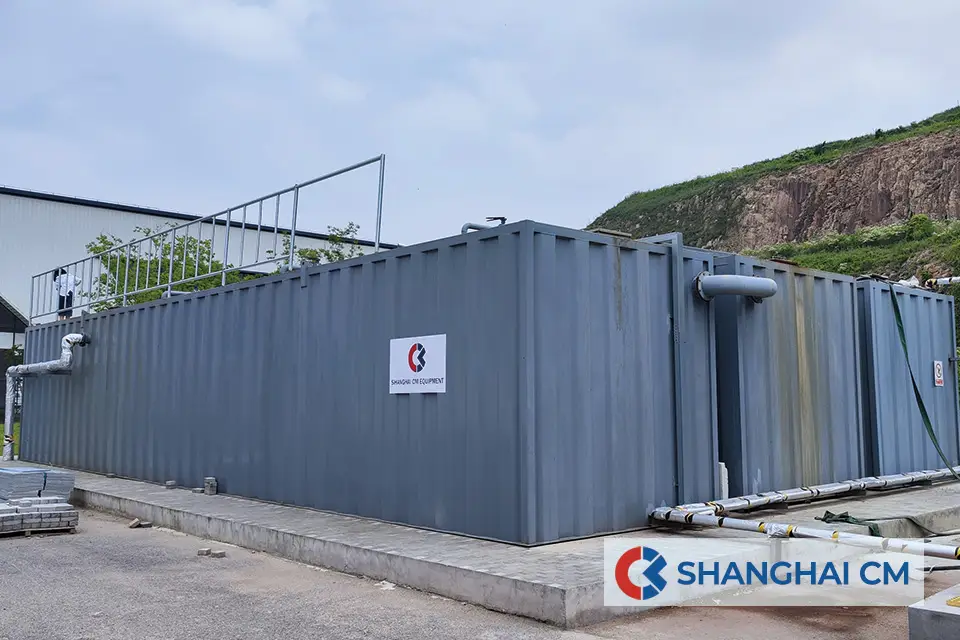
Integrated sewage treatment equipment combines multiple treatment stages into a compact system, typically including biological treatment, sedimentation, and disinfection.
Main Technology Options
According to engineering practice, the most common systems include:
- Activated Sludge Process (ASP)
- Membrane Bioreactor (MBR)
- Sequencing Batch Reactor (SBR)
- Moving Bed Biofilm Reactor (MBBR)
- Packaged Treatment Plants
Comparison Overview
| Technology | Footprint | Effluent Quality | Complexity | Cost |
|---|---|---|---|---|
| Activated Sludge | Large | Good | Medium | Medium |
| MBR | Small | Excellent | Medium-High | High |
| SBR | Medium | Good | Medium | Medium |
| MBBR | Medium | Good–Excellent | Low-Medium | Medium |
| Packaged System | Small | Good | Low | Medium |
Engineering Insight
- MBR systems → best for high discharge standards
- MBBR systems → best for shock load resistance
- SBR systems → best for variable flow conditions
- Packaged systems → best for small or remote projects
👉 Choosing the wrong technology is the #1 reason for system failure.
2. How to Determine Treatment Capacity
Capacity design is one of the most critical steps.
A common mistake is designing based on average flow, which leads to overload during peak conditions.
Correct Design Approach
- Measure actual wastewater flow (recommended: 1–2 weeks data)
- Identify peak daily flow
- Apply safety factor (1.5–2×)
- Consider future expansion
Example
If your average flow = 100 m³/day
👉 Design capacity should be:
150–200 m³/day
Important Factors
- Peak vs average flow
- Seasonal variations
- Industrial production cycles
- Wastewater strength (COD, BOD)
👉 Undersizing leads to system overload and compliance failure.
3. Key Technical Specifications to Evaluate
When comparing systems, focus on performance—not marketing.
Critical Parameters
- BOD removal rate
- COD removal efficiency
- Suspended solids removal
- Nitrogen and phosphorus removal
- Power consumption
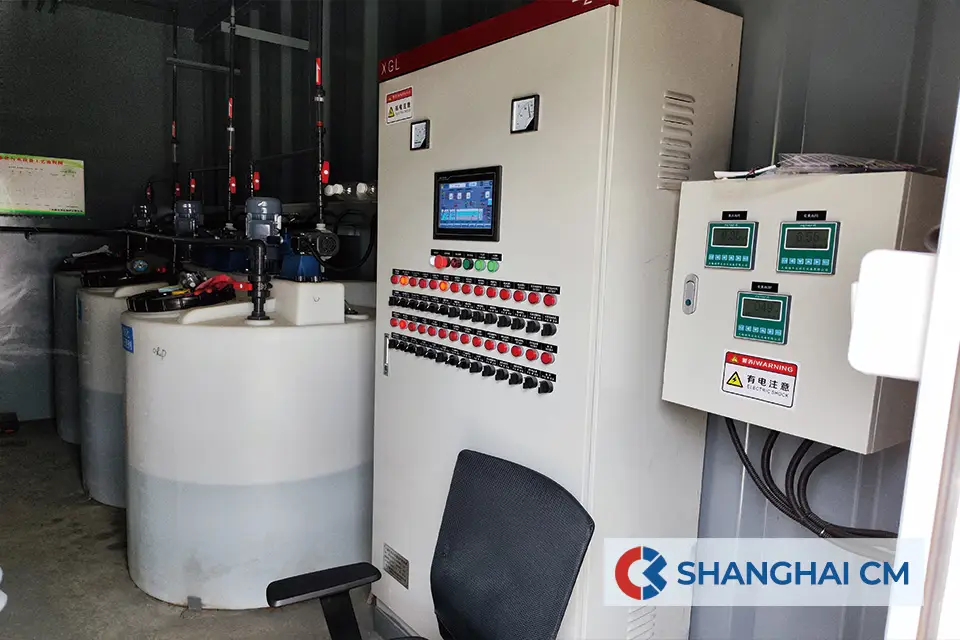
- Automation level
Integrated systems can achieve >95% pollutant removal efficiency when properly designed.
Engineering Tip
Always verify:
- Real project references
- Actual performance data (not brochure values)
👉 Many systems perform differently under real wastewater conditions.
4. Regulatory Compliance & Discharge Standards
Your equipment selection must be driven by local environmental regulations.
Key Considerations
- Discharge limits (BOD, COD, NH₃-N, TP)
- Receiving water body sensitivity
- Industrial vs municipal standards
Practical Insight
Regulations tend to become stricter over time.
👉 Choosing a system that only meets current standards can lead to future upgrades.
Recommendation
- Design with safety margin
- Consider reuse requirements (if applicable)
- Include monitoring systems
5. Total Cost of Ownership (TCO)
Many buyers make decisions based on initial price—this is a major mistake.
Cost Components
- Equipment purchase
- Installation and construction
- Energy consumption
- Chemical usage
- Maintenance and spare parts
- Labor
- Sludge disposal
Key Insight
Operating cost over 5–10 years often exceeds equipment cost.
Example
A cheaper system may result in:
- Higher energy consumption
- Frequent breakdowns
- Increased sludge disposal cost
👉 Result: higher total lifecycle cost
6. Vendor Support & Service Capability
Equipment is only part of the solution—service matters more.
What to Evaluate
- Local technical support
- Spare parts availability
- Response time
- Commissioning support
- Training programs
Real-World Lesson
Poor vendor support can result in:
- Long downtime
- Compliance violations
- Increased operational risk
👉 Choose partners, not just suppliers.
7. Common Mistakes to Avoid
Based on real project experience:
- Undersizing the system
- Ignoring wastewater characteristics
- Choosing technology based only on price
- Not planning for future expansion
- Overlooking operator skill requirements
- Not verifying vendor claims
👉 These mistakes lead to long-term operational problems.
8. Site Preparation & Installation Requirements
Proper site preparation is essential for successful implementation.
Key Elements
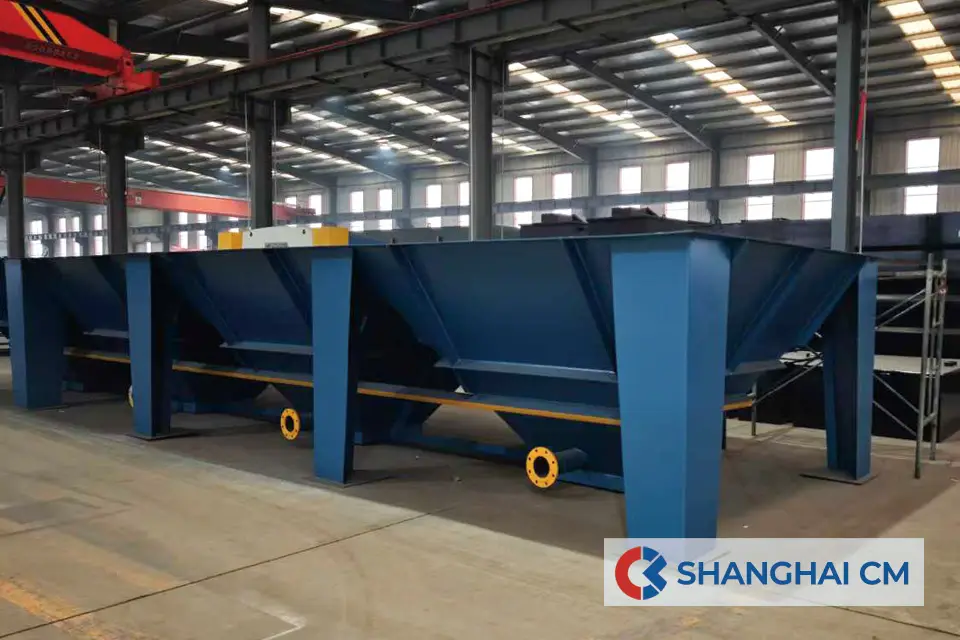
- Foundation construction
- Electrical supply
- Piping and drainage
- Equipment access
- Safety measures
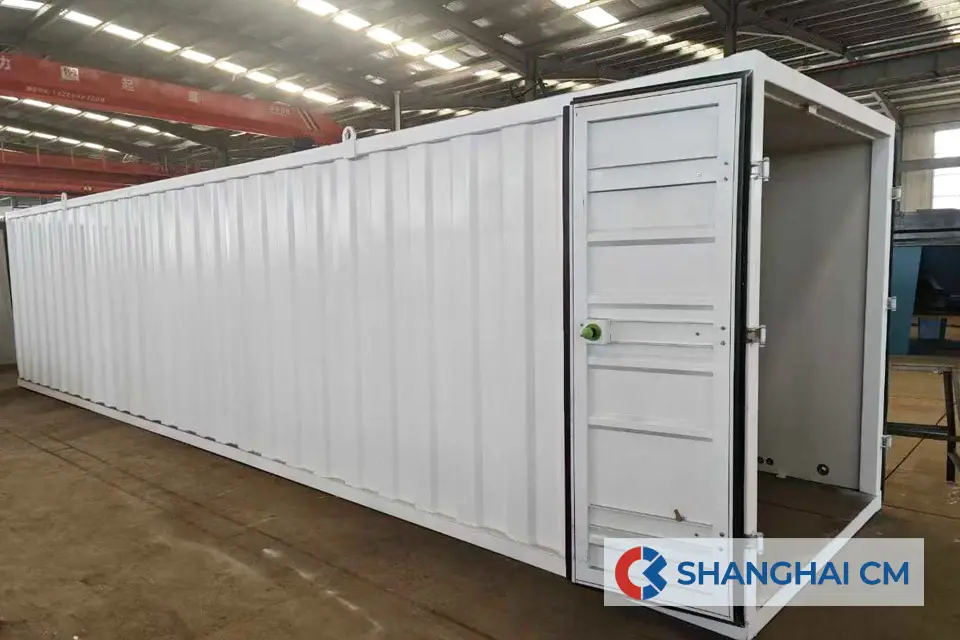
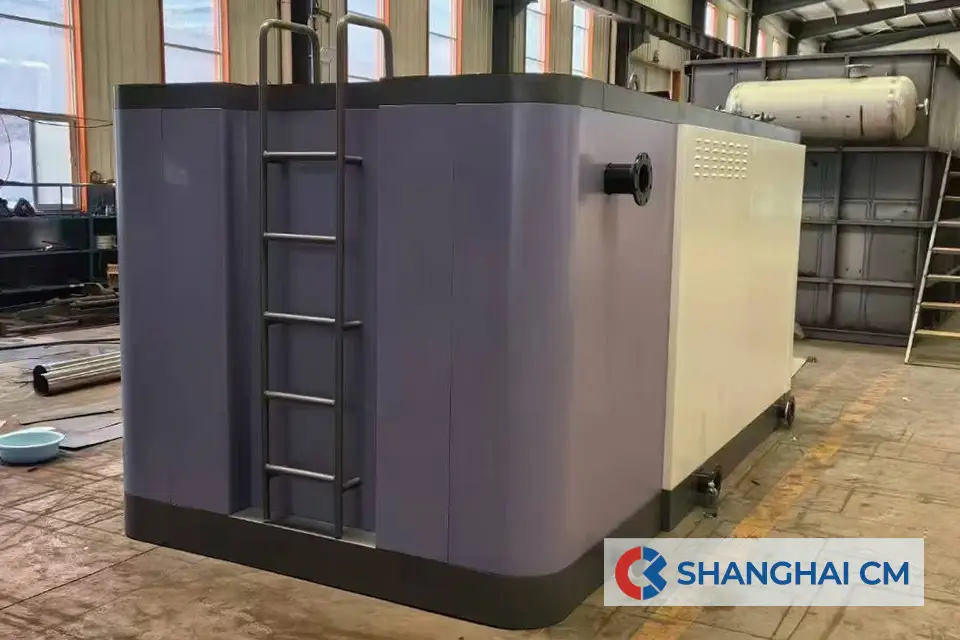
Integrated systems are often compact and modular, making them easier to install and transport.
Practical Tip
Complete all site preparation before equipment delivery to avoid delays.
9. Questions You Should Ask Equipment Suppliers
Before making a final decision, ask:
- What performance guarantees do you provide?
- Can you show reference projects?
- What is the expected operating cost?
- How often is maintenance required?
- What spare parts are needed?
- What is the response time for service?
👉 The answers reveal the real capability of the supplier.
Why Choose Integrated Sewage Treatment Systems
Modern integrated systems offer several advantages:
- Compact design
- Easy installation
- High treatment efficiency
- Lower footprint requirement
- Automated operation
They are widely used in:
- Industrial wastewater treatment
- Residential communities
- Hotels and resorts
- Remote and decentralized systems
FAQ
What is integrated sewage treatment equipment?
It is a compact system that combines biological treatment, sedimentation, and disinfection in one unit.
Which technology is best?
It depends on wastewater type, discharge requirements, and budget.
How do I calculate capacity?
Use peak flow + safety factor (1.5–2×), not average flow.
What is the typical removal efficiency?
Well-designed systems can achieve over 90–95%.
Is MBR better than traditional systems?
MBR offers higher water quality but comes with higher cost.
Conclusion
Choosing the right integrated sewage treatment equipment requires a balance of:
- Technology selection
- Capacity design
- Regulatory compliance
- Cost optimization
- Vendor support
By evaluating these factors systematically, you can ensure:
👉 Stable operation
👉 Long-term cost efficiency
👉 Regulatory compliance